The Caribbean region, with its vibrant cultures and stunning landscapes, has long grappled with economic stagnation. Despite abundant natural resources and strategic geographic positioning, many countries continue to experience subdued GDP growth, often hovering below global averages for developing economies. For instance, the United Nations Economic Commission for Latin America and the Caribbean (ECLAC) projected regional GDP growth at just 1.9% for 2024, rising modestly to 2.5% in 2025, hampered by high public debt (averaging 67.9% of GDP), inflationary pressures, and structural vulnerabilities like rigid labor markets and low productivity. caribbean.un.org
This underperformance raises a critical question: Is the government’s tendency to operate like a private sector entity, competing in markets rather than enabling them, one of the root causes? The evidence suggests yes, and a shift toward facilitation over control could unlock the growth potential that has eluded the region. At the heart of this issue is the misalignment between government mandates and economic realities.
Governments in the Caribbean have historically taken on roles as direct operators in key sectors, from agriculture to utilities, often under the guise of national development or food security. However, this approach frequently leads to inefficiencies, wasteful spending, and stifled private initiative. Consider agriculture, a cornerstone of many Caribbean economies. In several countries, ministries of agriculture engage in selling produce, directly competing with local farmers and disrupting the value chain. This not only discourages private investment but also perpetuates dependency on state interventions.
 Instead, governments should pivot to supporting citizen-led groups, cooperatives or community enterprises, through subsidies, training, and infrastructure, while owning nothing themselves. This facilitation model would empower locals to drive production, fostering innovation and sustainability.Historical examples illustrate the pitfalls of government dominance and the successes of private alternatives. The closure of various government-run fresh produce export agencies across the region has left gaps that private entities have sometimes filled more effectively. In St. Vincent and the Grenadines (SVG), Square Deal Shippers emerged as a key player in agricultural exports, providing critical shipping and supply services that supported farmers during emergencies and boosted trade. thevincentian.com
Similarly, in Barbados, the Caribbean Agricultural Trading Company (CATCO), initially a regional marketing entity, saw its sales volume surge in the late 1980s, revenues increased by 52% in 1988-89 after early struggles, demonstrating how targeted, non-governmental efforts can outperform state-led initiatives. documents.worldbank.org
 These benchmarks in exports often surpassed governmental efforts, highlighting how private or semi-private operations can achieve scale and efficiency without the bureaucratic drag. Yet, recent developments, such as Square Deal’s closure, underscore the need for stable policy support to sustain such successes. Ethical standards must underpin this shift. No minister or cabinet member should own or have stakes in businesses that receive government support while in office. This conflict of interest diverts focus from national development to personal gain, eroding public trust and distorting markets. Implementing firm ethical guidelines, including mandatory disclosures and divestment requirements, would ensure decisions prioritize growth over graft.
Privatization offers a pathway to efficiency, but it must be strategic. Governments should divest from operational roles in non-critical areas, such as tractor services or water works, allowing private entities to step in. This could spur a rise in skilled artisans and entrepreneurs, filling gaps with more effective and innovative approaches. The public sector mindset of “show up and get paid” contrasts sharply with private incentives for productivity. In Barbados, the Fair Trade Commission has noted that only 25% of public service functions effectively, meaning taxpayers fund 75% unproductive workers, a stark inefficiency that drains resources needed for food security and infrastructure. ceintelligence.com
 By privatizing, countries could redirect funds to developing human capital, such as vocational training programs for artisans and entrepreneurs, reducing reliance on bloated agencies.A thorough review of government agencies is overdue. Only those providing critical national services, like health, sanitation, and perhaps regulated public transport, should be retained. The rest, often mired in waste and low efficiency, should be streamlined or eliminated.
Politicians must reframe their perspective: Growth in their constituencies is a credit to their tenure, not a threat. By promoting feasible, non-political projects, they can facilitate real progress rather than perpetuate patronage systems. The results of inaction are evident in persistent complaints about food security while farmers are sidelined.The airline industry exemplifies this dynamic. National carriers, often burdened by political interference and subsidies, have repeatedly failed. Air Jamaica, once a symbol of national pride, collapsed under financial strain in the early 2010s, sold off amid mounting debts. LIAT, a regional Caribbean airline, has faced multiple crises, filing for restructuring in 2024 after years of losses. airlineratings.com; Guyana Airways went bankrupt in 1999, followed by its successor in 2001. guyanabusinessjournal.com
 In contrast, private airlines like interCaribbean Airways have thrived by focusing on efficiency and market needs, avoiding the pitfalls of state control. Governments should focus on consumer affairs, regulating against price gouging and ensuring fair competition, rather than establishing their own entities that compete with the private sector.This pattern is emerging in the blue economy, where fisheries, tourism, and marine resources show promise. Governments are increasingly seeking to grip successful industries, imposing controls that stifle growth rather than facilitating it through incentives and regulations. Most state-run entities end up dormant, achieving little expansion. The World Bank emphasizes that a stronger private sector could drive sustainable growth by addressing cross-cutting constraints like skills mismatches, limited finance access, and climate vulnerability. ifc.org
Privatization efforts in the region have shown mixed impacts, job losses in some cases, but efficiency gains when accompanied by robust regulation and institutional support. imf.org; Jamaica’s Foundations for Competitiveness and Growth Project mobilized nearly US$600 million in private capital through PPPs and privatizations, demonstrating the potential when done right. blogs.worldbank.org
The time for change is now. Caribbean governments must rethink their strategies, admitting that past approaches, rooted in control and ownership, have yielded clear, underwhelming results. By refocusing on facilitation, ethical governance, and private empowerment, the region can break free from low-growth traps. This isn’t about abandoning responsibility; it’s about smart stewardship that leverages citizen ingenuity for collective prosperity. The evidence from history and economics is compelling, facilitate, don’t dominate, and watch GDP soar.
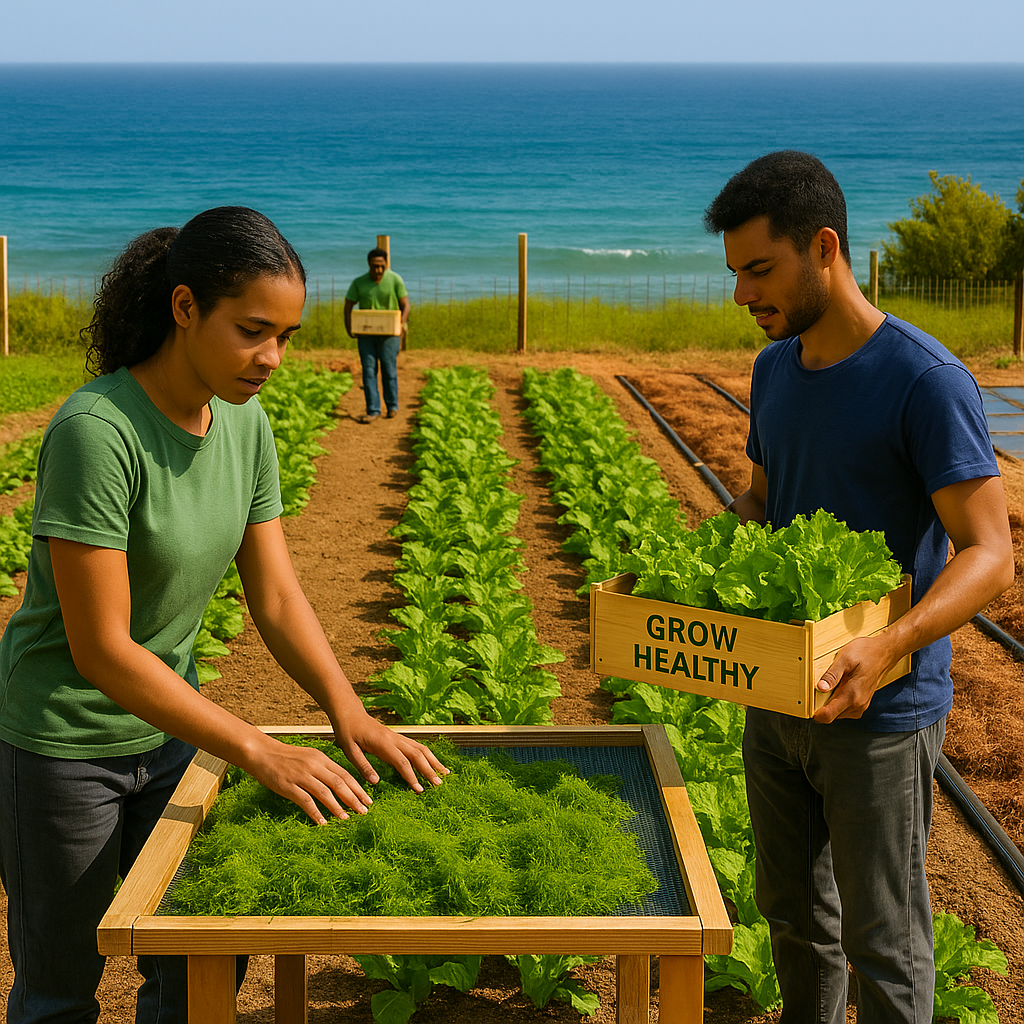
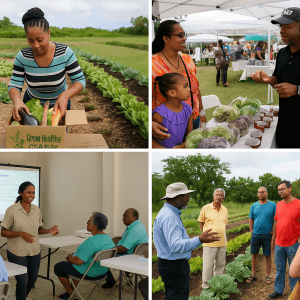
 The Grow Healthy Challenge, a capacity-building initiative by Sustainable People & Communities Inc. (SPCI) in Barbados, exemplifies an ideal public-private partnership by leveraging the private sector’s agility in delivering innovative, hands-on training in regenerative agriculture, aquaculture like sea moss farming, entrepreneurship, and life skills, while government involvement could provide essential regulatory frameworks, funding, land access, and integration into national youth development and food security policies.
? Support Our Work
Help us build healthier communities and stronger local economies.
This blog is published by Sustainable People & Communities Inc.(SPCI) through the Grow Healthy initiative.