Kingstown,
May 26, 2026
As part of the SVGCF-funded project: “Capacity Building for Responsible Sea Moss Farming: Enhancing Marine Ecosystem Health and Climate-Resilient Coastal Livelihoods on Mainland St. Vincent and the Grenadines”
 Constructive Solutions Inc. continues to advance baseline environmental assessments, community engagement, and marine site validation activities across selected mainland coastal communities in St. Vincent and the Grenadines.
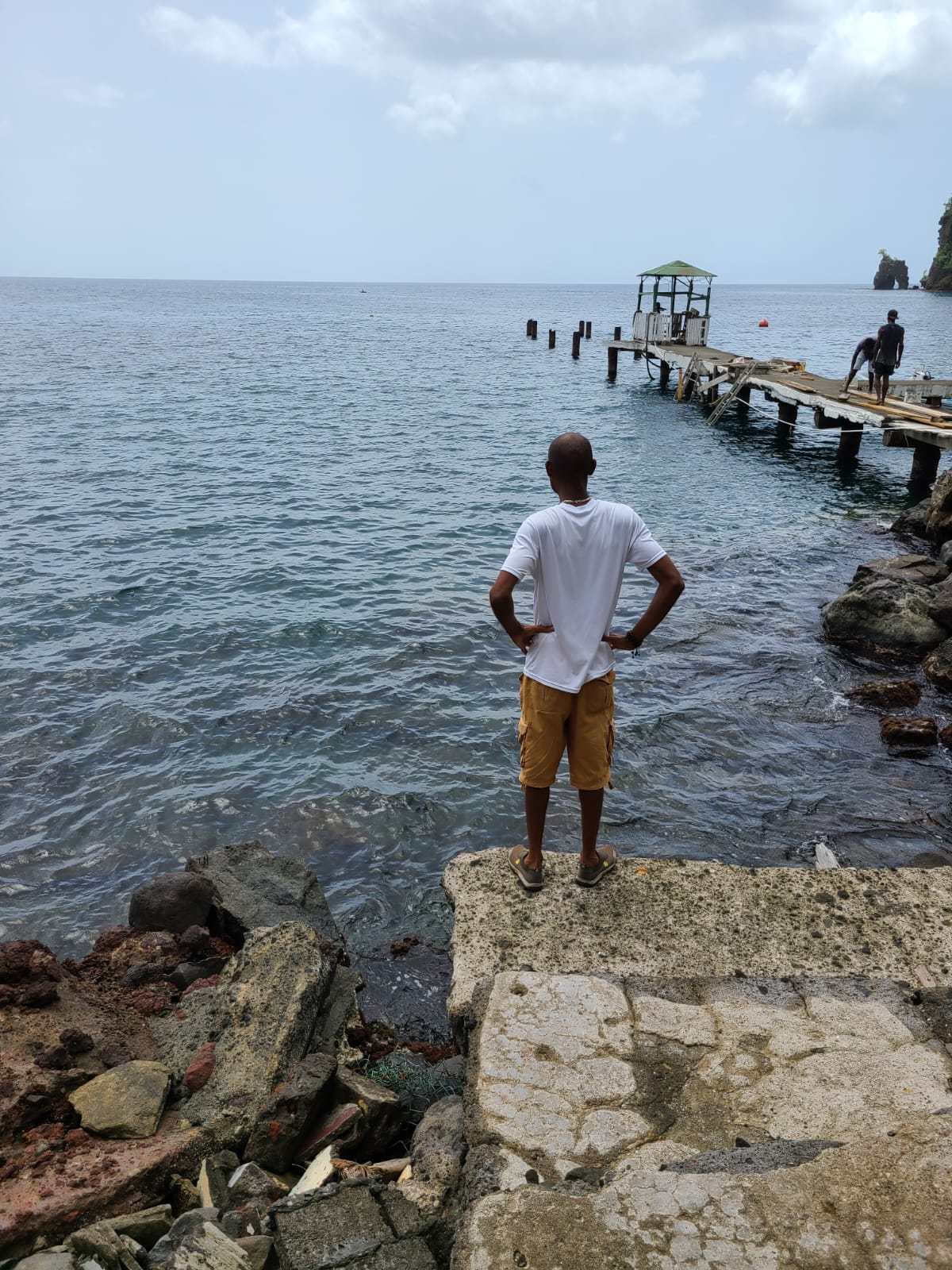
Over the past several months, our team has been conducting shoreline observations, environmental suitability reviews, stakeholder consultations, and preliminary ocean health assessments to better understand the realities, opportunities, and challenges associated with developing a responsible sea moss sector on mainland SVG.
Importantly, this project was never designed to “rush into farming” or pretend that mainland SVG already has a fully mature sea moss industry. In fact, one of the strongest lessons emerging from this initiative is the importance of slowing down, validating conditions properly, and building technical capacity before attempting large-scale expansion.
As highlighted in recent international aquaculture guidance:
“World Bank aquaculture and seaweed work repeatedly emphasizes the role of extension, post-harvest support, infrastructure, knowledge transfer, market access, food-safety compliance, and pilot trials before scale-up.”
The guidance further notes that:
“If the sector is still immature, the right first move is often de-risking and capacity building, not pretending a bankable livelihood model already exists.”
This reflects exactly why this project was developed.
At present, SVG is still in the early stages of developing its mainland sea moss sector. While there is growing interest nationally and regionally, our assessments continue to show that responsible marine cultivation requires much more than simply placing sea moss in the sea.
So far, the project has examined multiple mainland coastal areas to better understand:
• ocean health conditions,
• wave exposure,
• marine congestion,
• pollution and runoff risks,
• biodiversity interactions,
• community readiness,
• logistical feasibility,
• and environmental suitability for regenerative marine cultivation.
General observations to date indicate that many mainland coastal areas face significant environmental and operational challenges, including strong wave energy, runoff exposure, marine congestion, transportation limitations, and the need for further scientific water-quality validation before any food-grade cultivation activities could responsibly proceed.
At the same time, several locations demonstrated encouraging signs, including sheltered marine conditions, visible biodiversity, calmer waters, and potential for small-scale environmental monitoring and future pilot validation work.
The project has also highlighted a broader national conversation around marine stewardship, food safety, environmental monitoring, and the need for stronger technical standards within any future sea moss industry.
As part of the ongoing process, Constructive Solutions Inc. has initiated preliminary environmental baseline work examining factors such as:
• salinity,
• pH,
• temperature,
• dissolved oxygen,
• conductivity,
• and broader coastal environmental observations.
Additional testing equipment is expected to support expanded monitoring activities in the coming weeks as the project continues its evidence-first validation approach.
Importantly, this initiative remains focused on:
• environmental protection,
• climate resilience,
• technical training,
• responsible aquaculture awareness,
• and long-term sustainability.
This project is not about creating hype. It is about helping SVG develop the knowledge, standards, and environmental understanding necessary to responsibly determine what is realistically possible for the future of mainland sea moss cultivation.
We thank the St. Vincent and the Grenadines Conservation Fund (SVGCF), Fisheries Services, participating stakeholders, community members, and supporting partners for their continued collaboration throughout this important learning and assessment phase. More updates will be shared as the project progresses.
Project coordination and technical oversight for this initiative are being led by Dr. Ashley C. John (Hons.), Founder and Executive Chairman of Constructive Solutions Inc., alongside a growing multidisciplinary support team and collaborating stakeholders. As a returning national and community development practitioner, Dr. John has continued to advocate for evidence-based Blue Economy development, environmental stewardship, climate resilience, and technical capacity building within St. Vincent and the Grenadines.
The project combines community engagement with practical field observations, environmental monitoring, stakeholder coordination, and regenerative coastal development concepts aimed at helping build a more responsible and technically informed aquaculture sector for the future.
? Support Our Work
Help us build healthier communities and stronger local economies.
This blog is published by Sustainable People & Communities Inc.(SPCI) through the Grow Healthy initiative.