From soil to table, we pilot synthetic chemical-free farms powered by community partnerships, hard work, and nature’s own cycles
Regenerative Agricultural Farming
Healing the soil, feeding the people, securing the future.
Conventional farming has left Caribbean soils depleted, fragile, and overly dependent on imported fertilizers and chemicals. Our regenerative farming program is changing that by teaching farmers and communities how to restore soil health, boost yields, and create climate-resilient food systems.
How We Started
Our regenerative farming journey began in St. Vincent and the Grenadines, where we first tested agroecological practices with smallholder farmers. The goal was simple: to prove that healthy soil could produce healthy food while reducing dependence on imported fertilizers and chemicals.
With hands-on training, community gardens, and early trials of root crops and leafy greens, we laid the foundation for a model that could scale across the Caribbean.
Impact Vision
By scaling regenerative farming practices, we are building a Caribbean food system that not only feeds people but heals the land and creates sustainable livelihoods for generations to come.
What We Do
- Soil Regeneration
- Agroecology & Crop Diversity
- Climate-Smart Practices
- Community Demonstration Plots
- Value-Added Production
Who We Work With
- Youth
- Schools
- Farmers
- Rural communities,
- Community Organizations
Why It Matters
- Reduces dependency on chemical imports
- Strengthens food security and nutrition
- Restores biodiversity and pollinators
- Creates new streams of income for small farmers
- Builds resilience to droughts, storms, and climate change
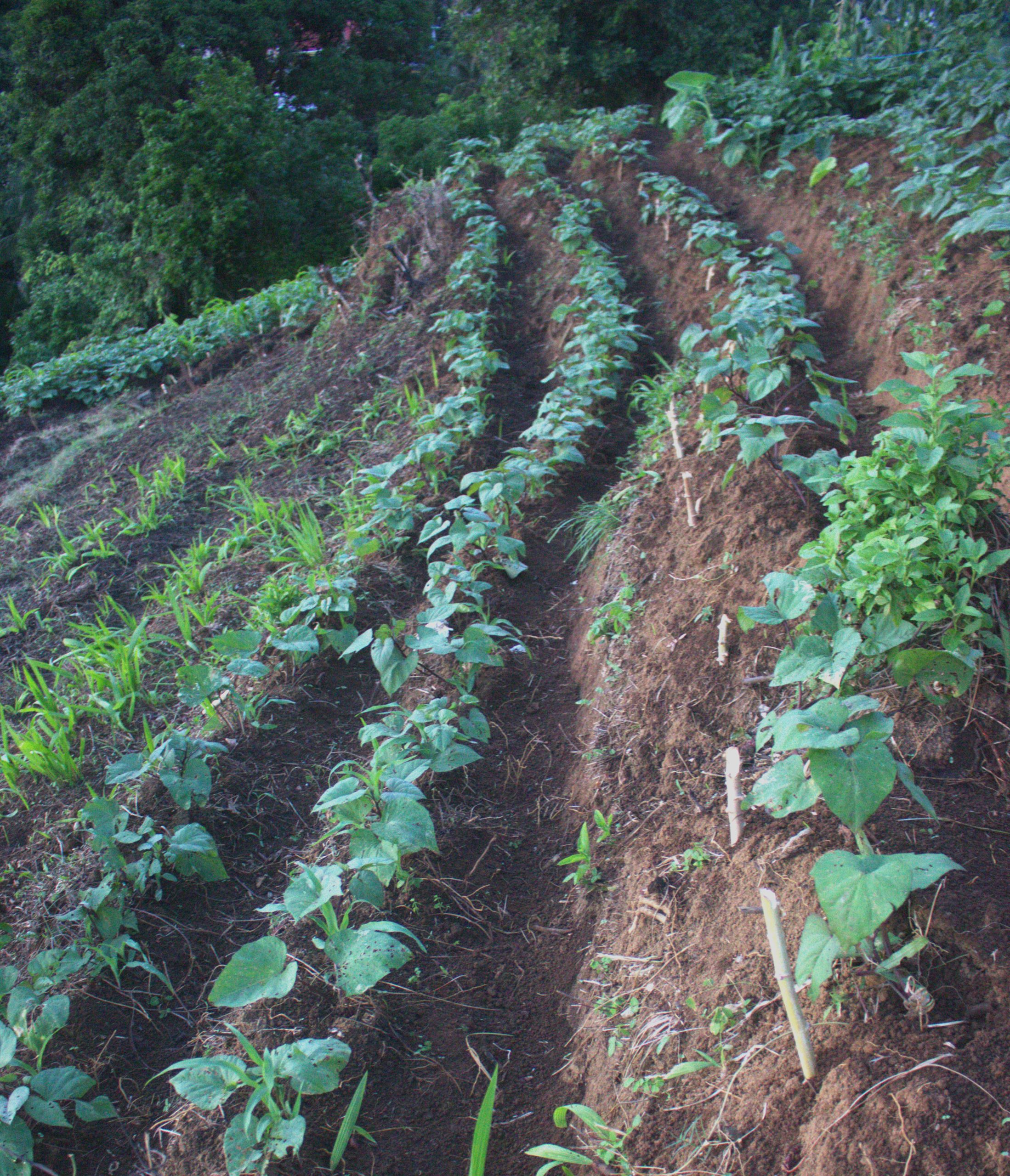
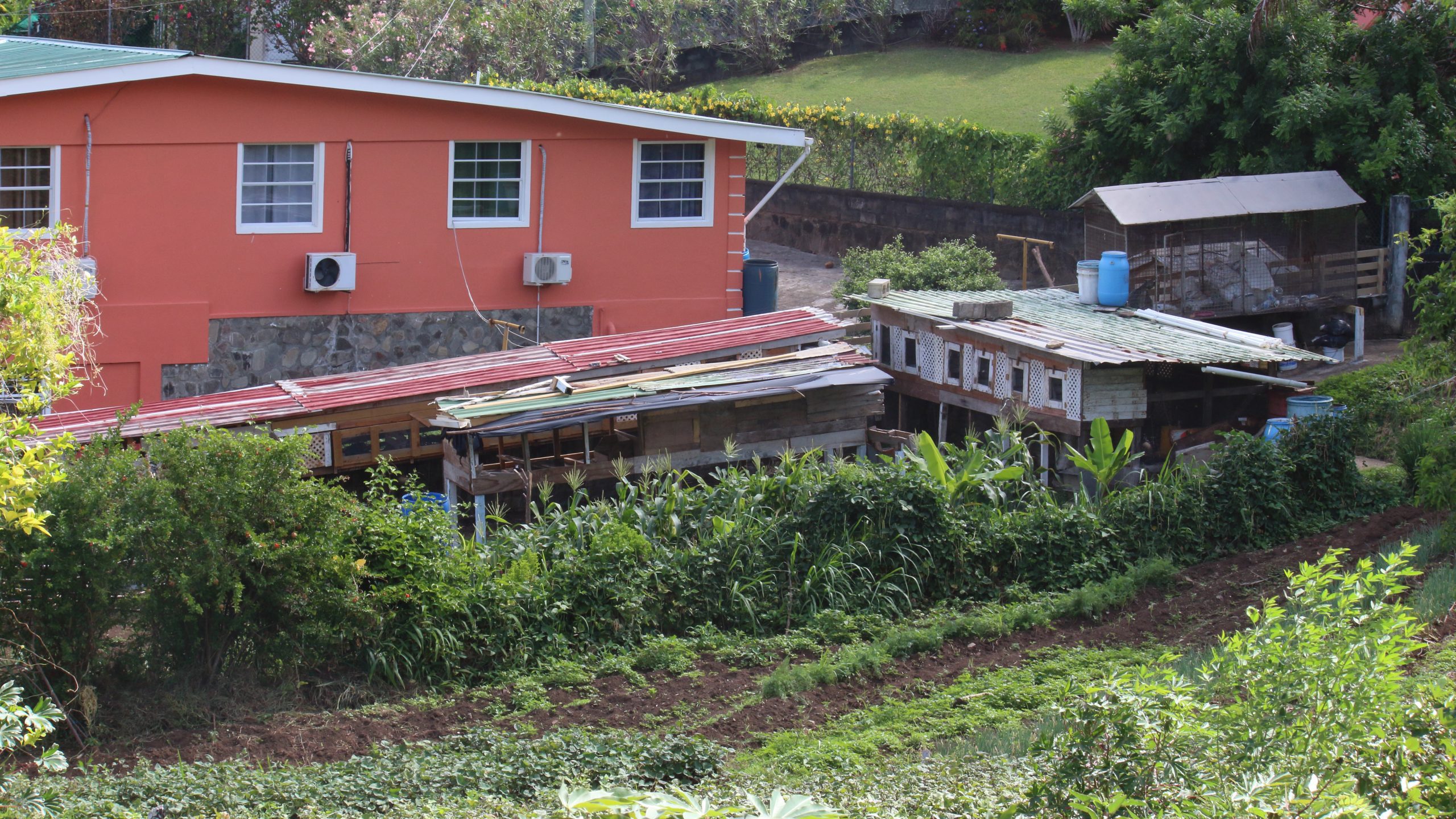
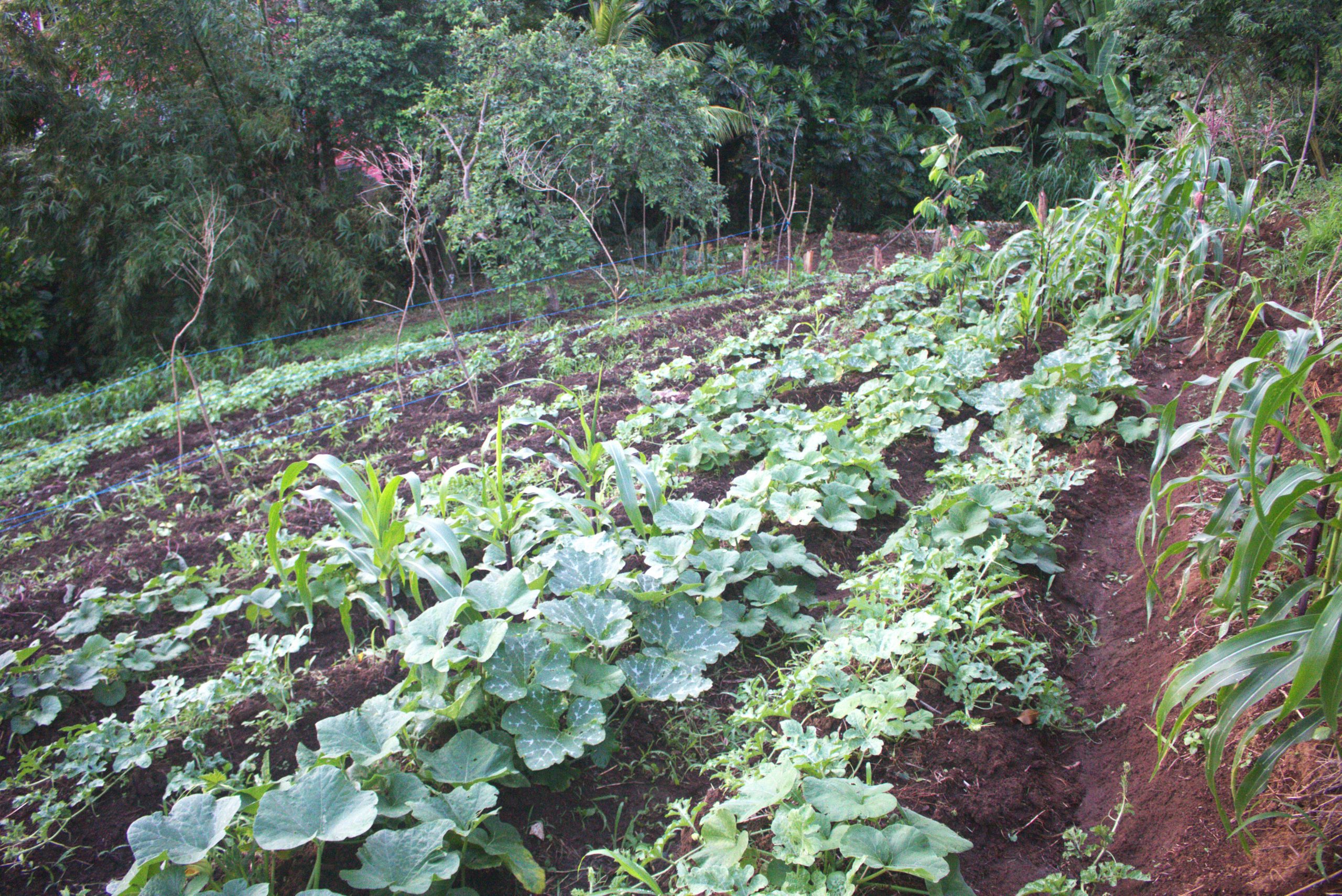
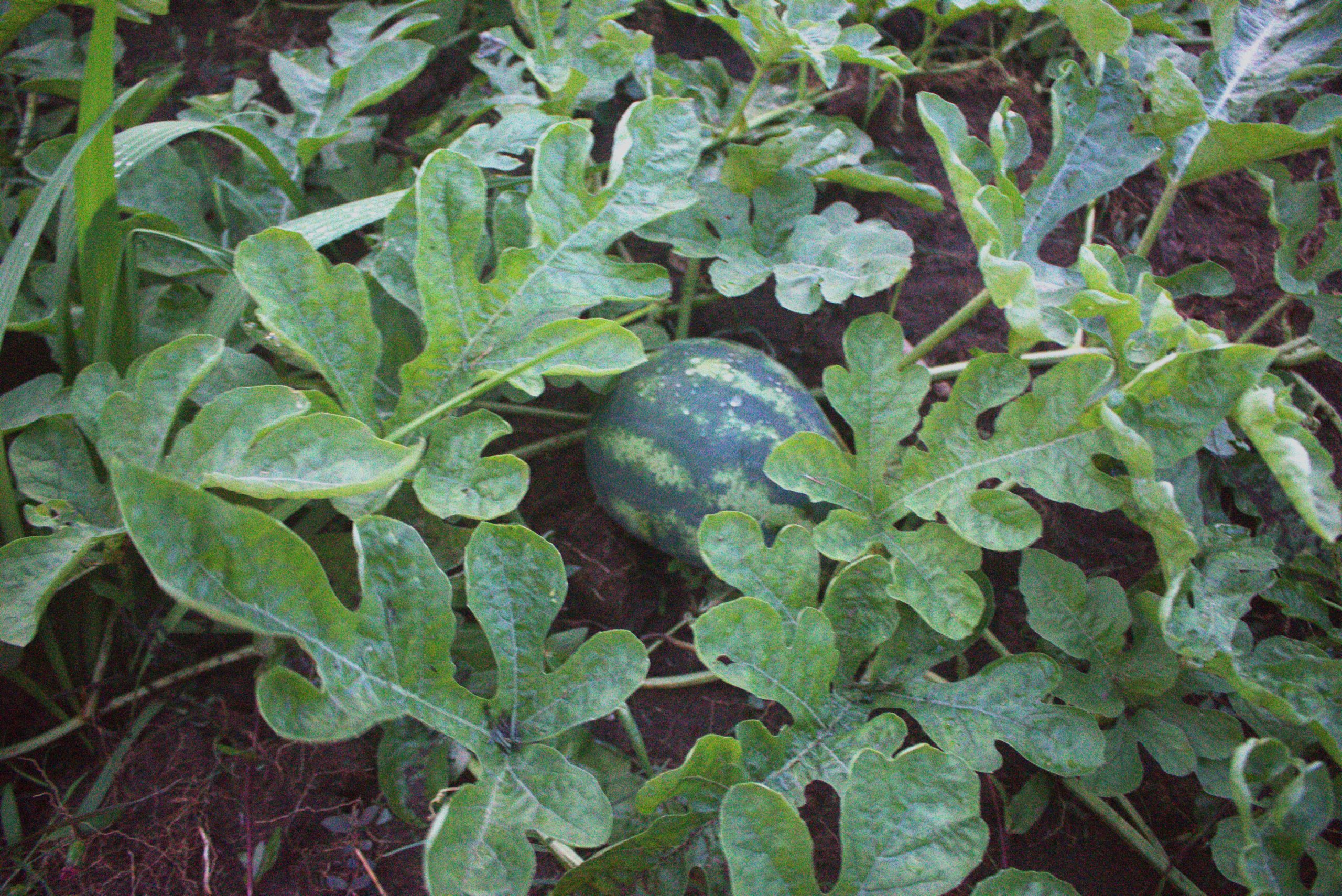
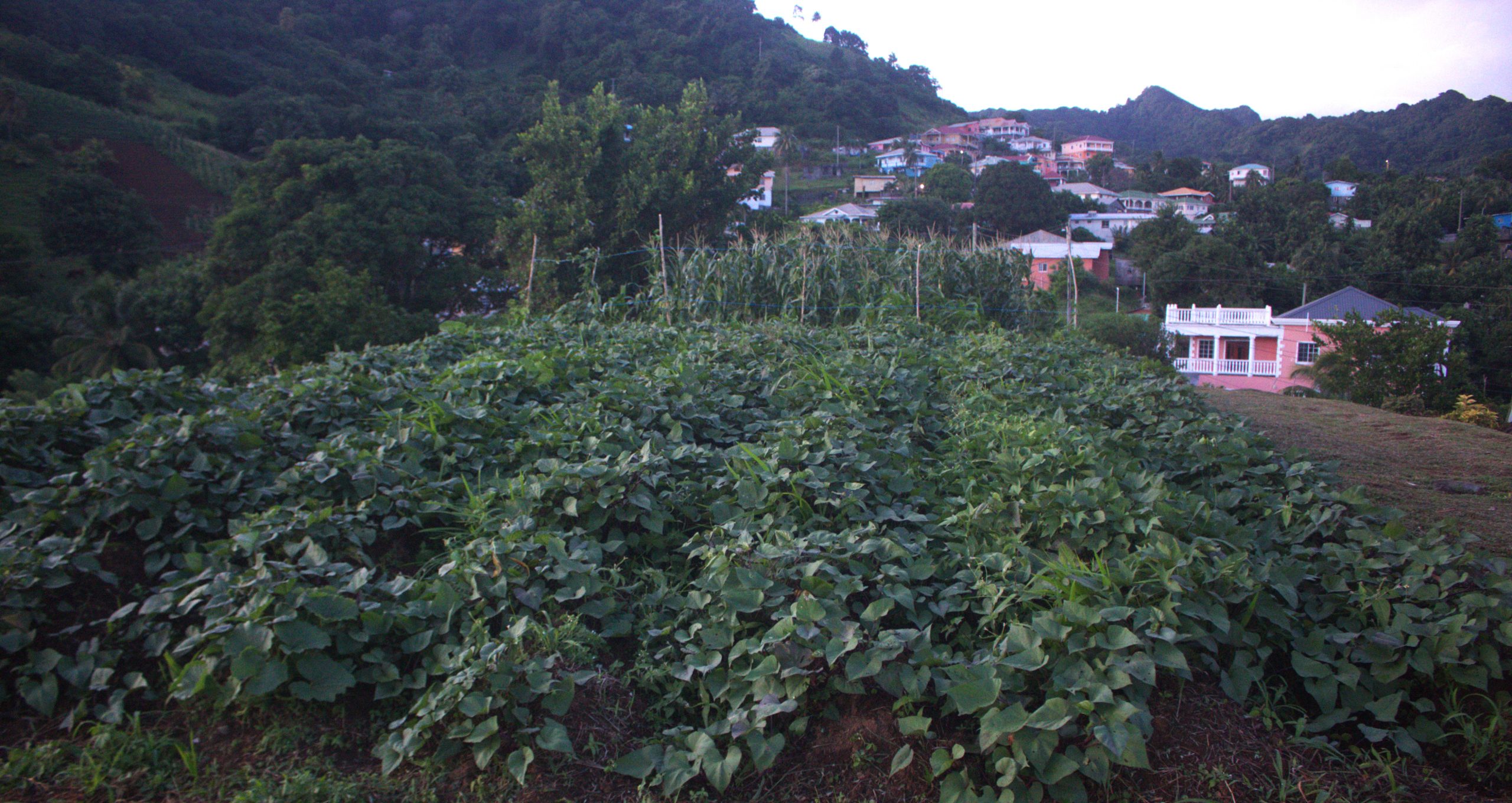
First trials of regenerative farming in St. Vincent and the Grenadines, 2023-24
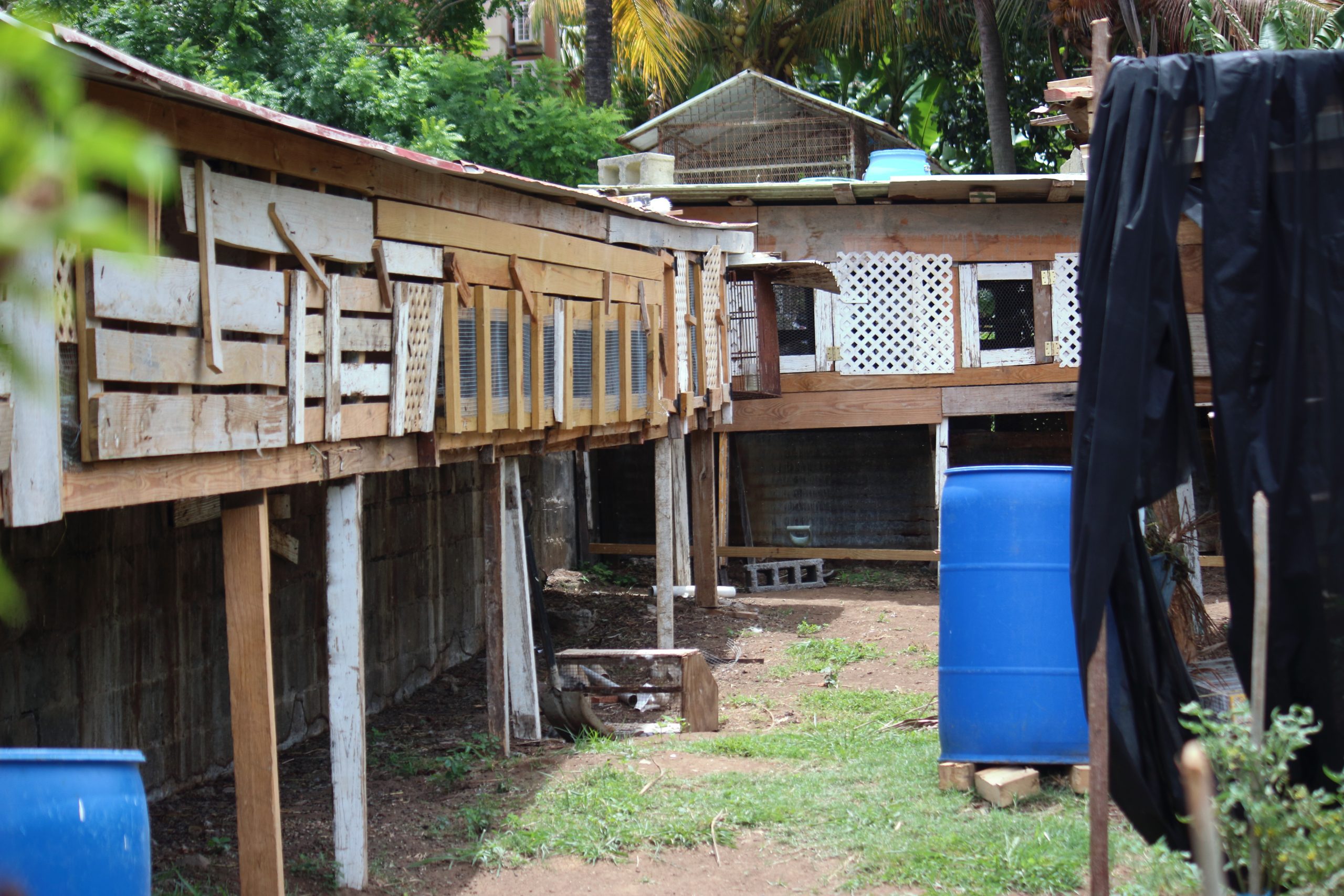
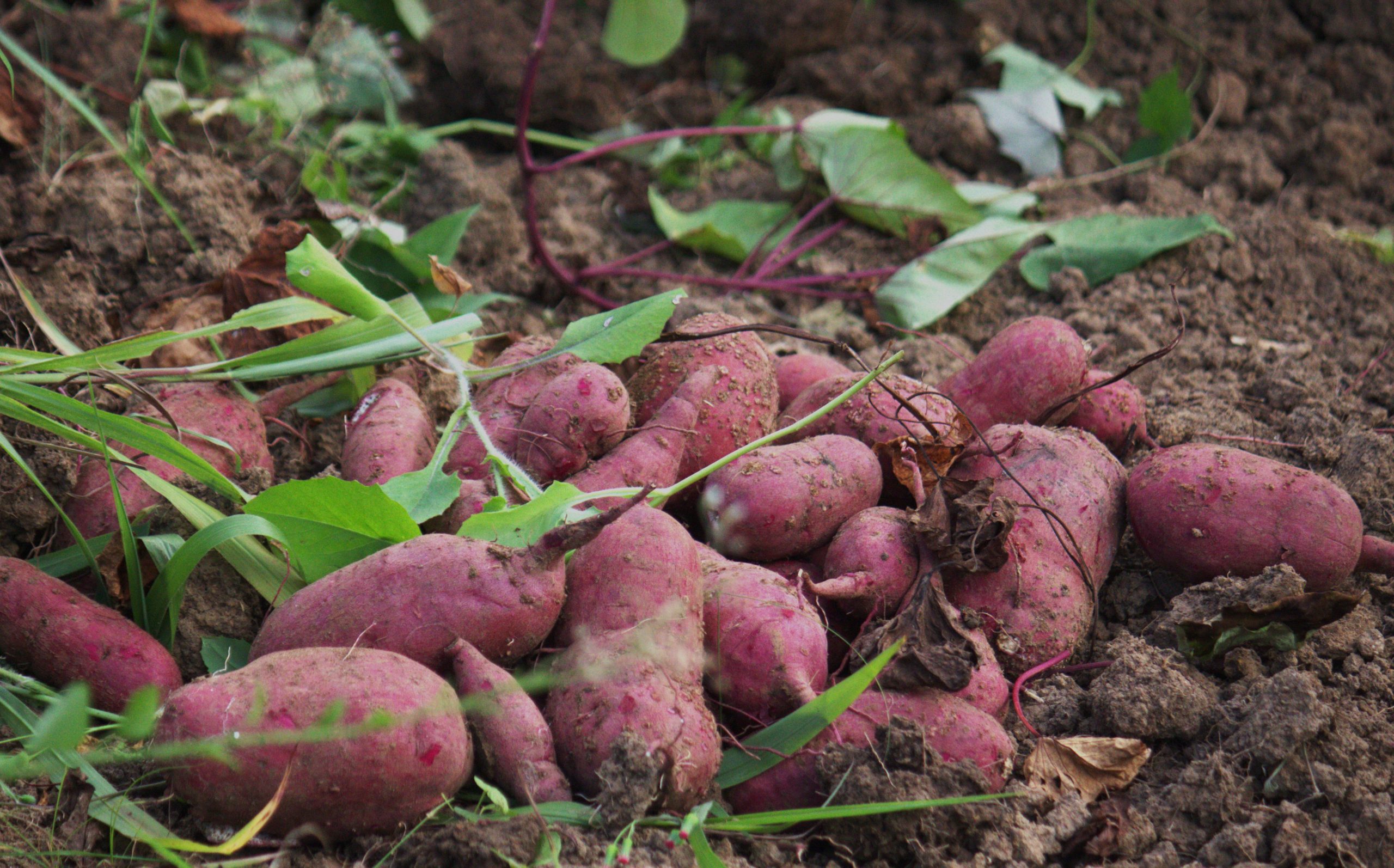
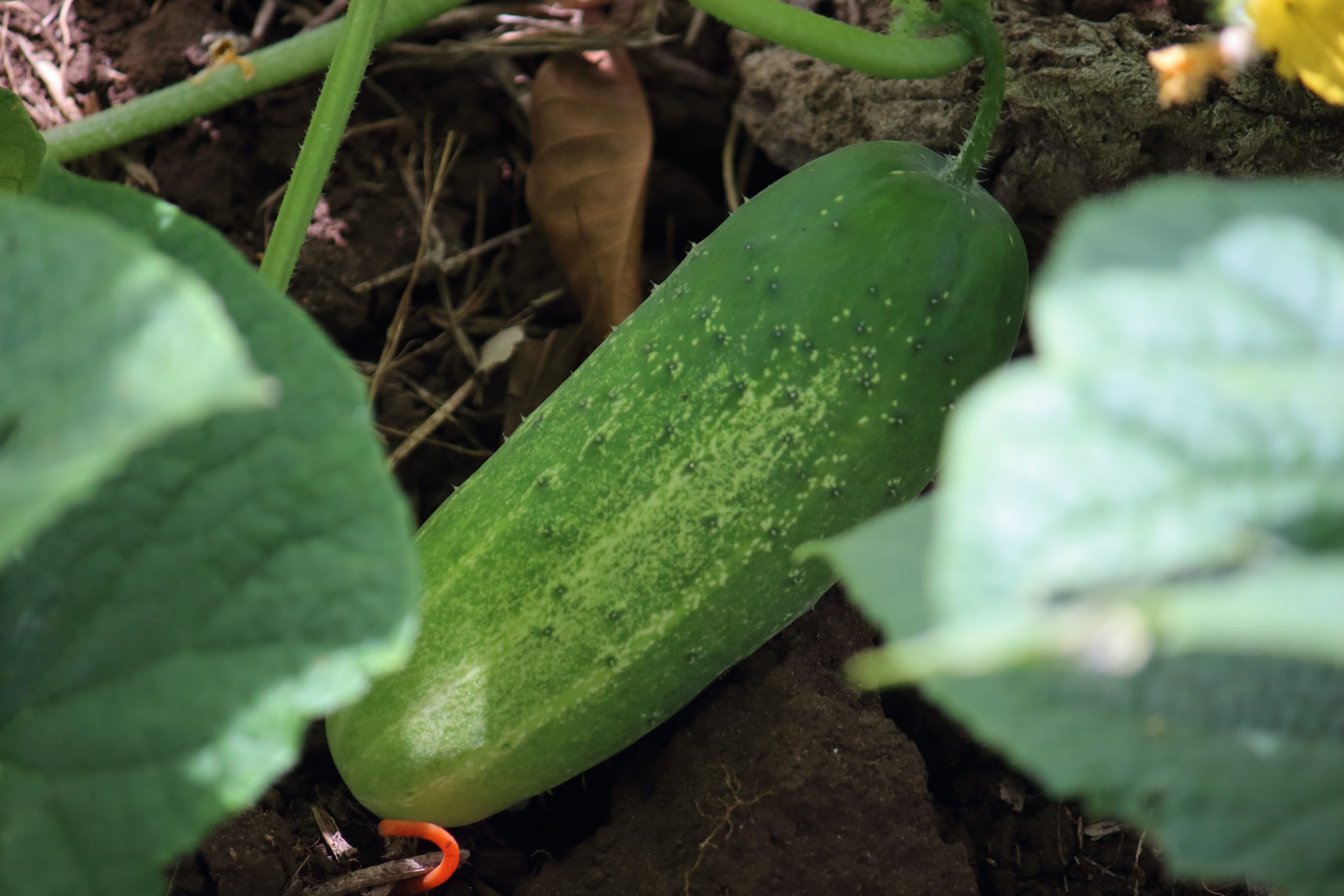
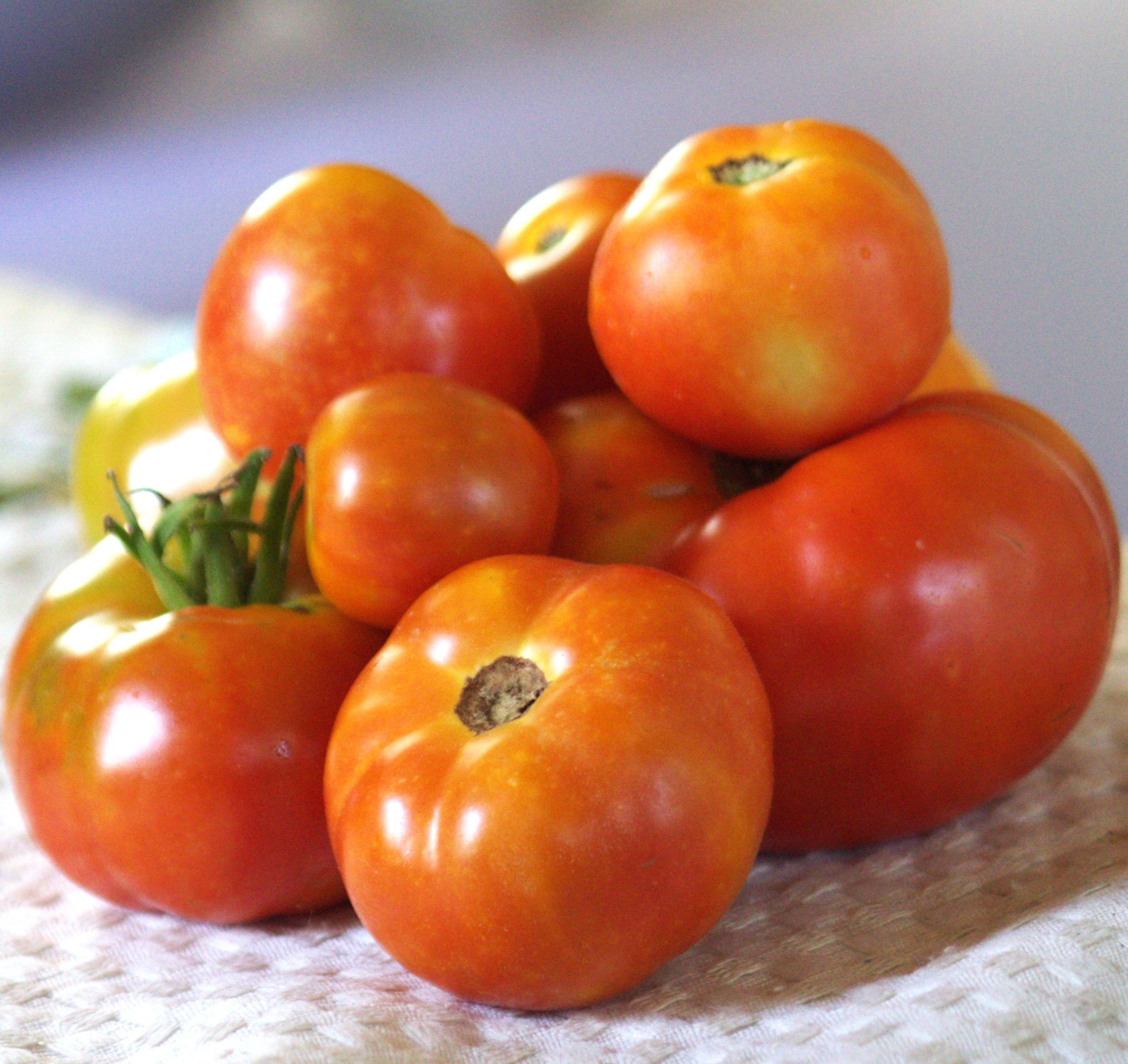
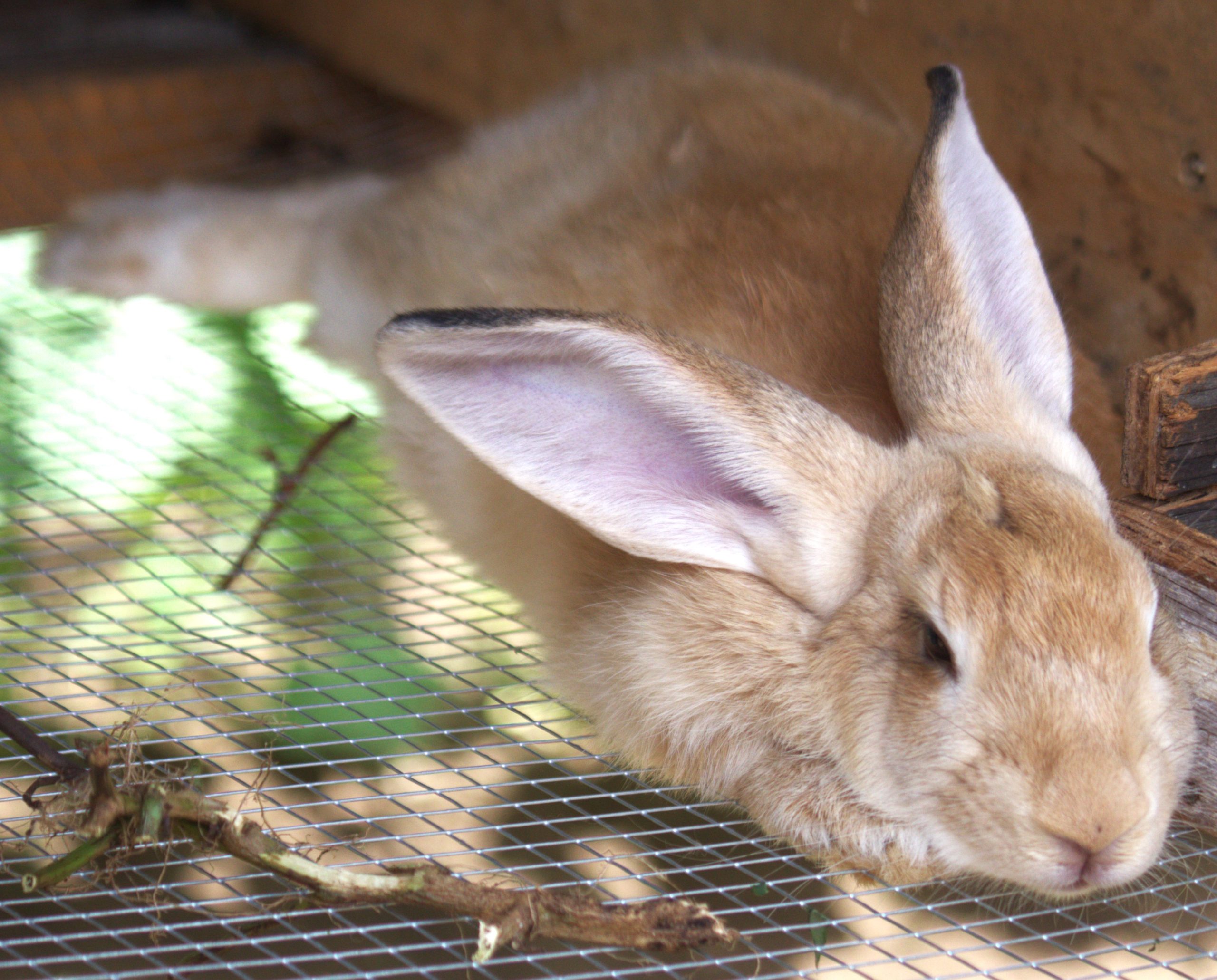
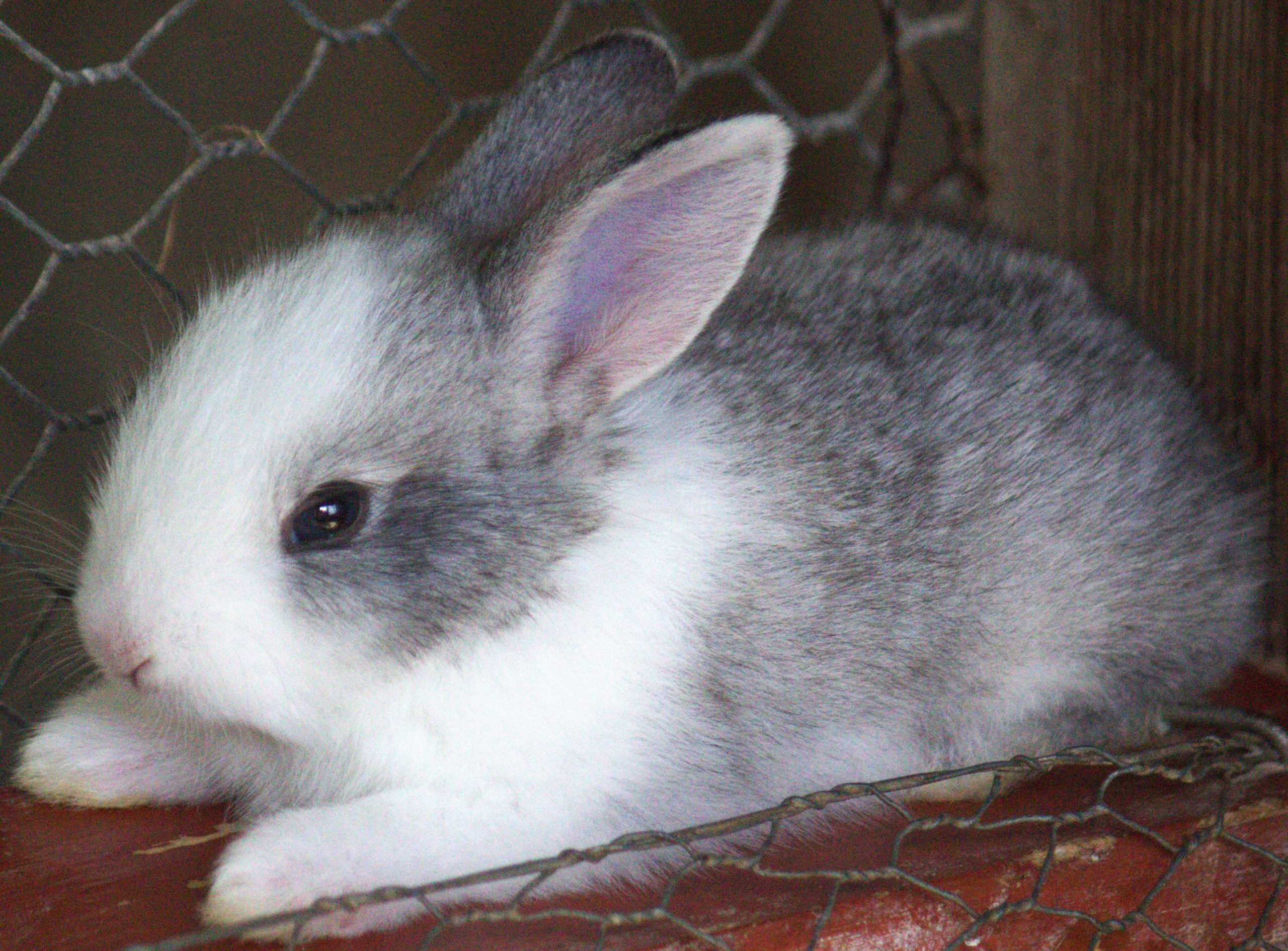
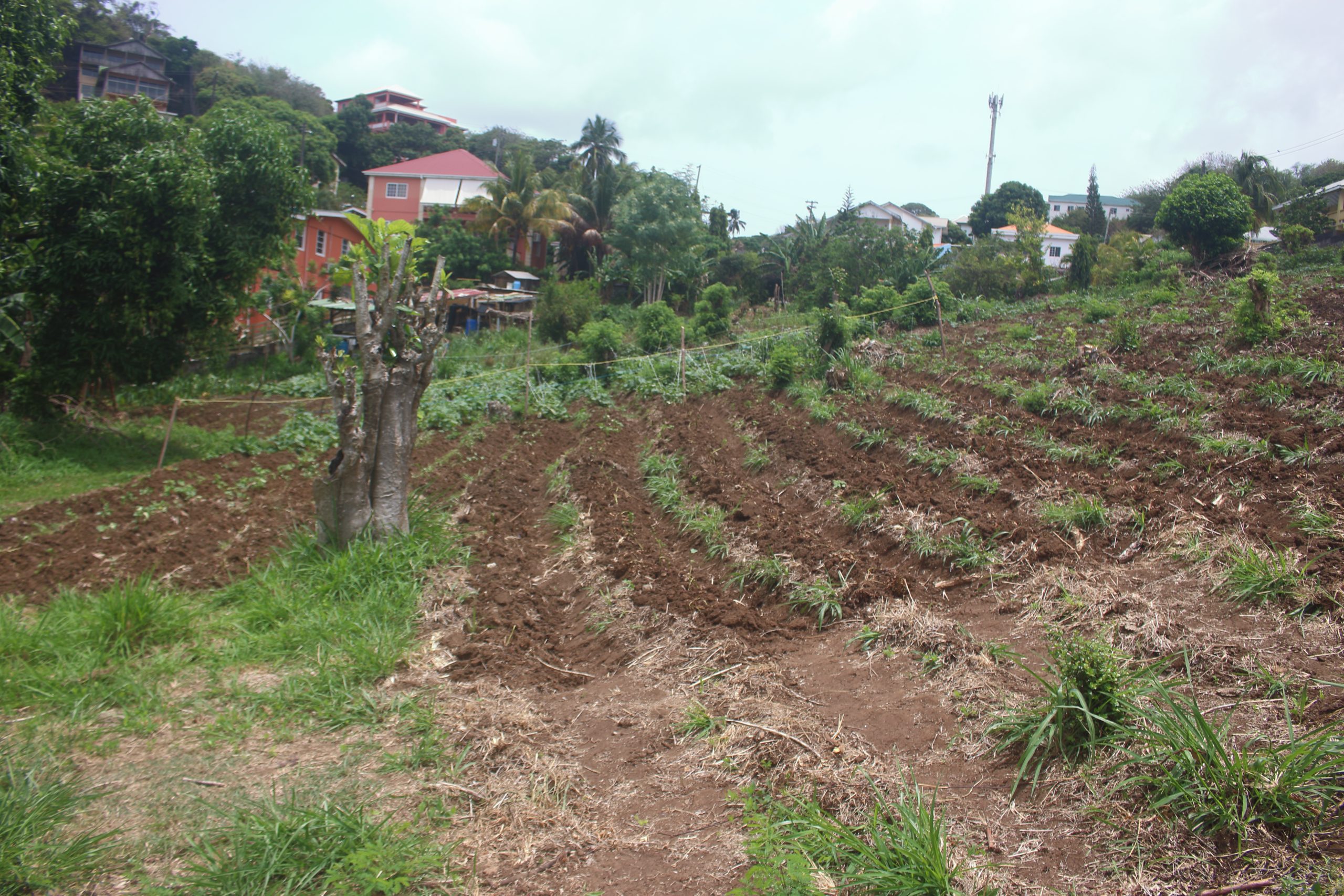
Connecting skills and ideas
The Barbados Transition
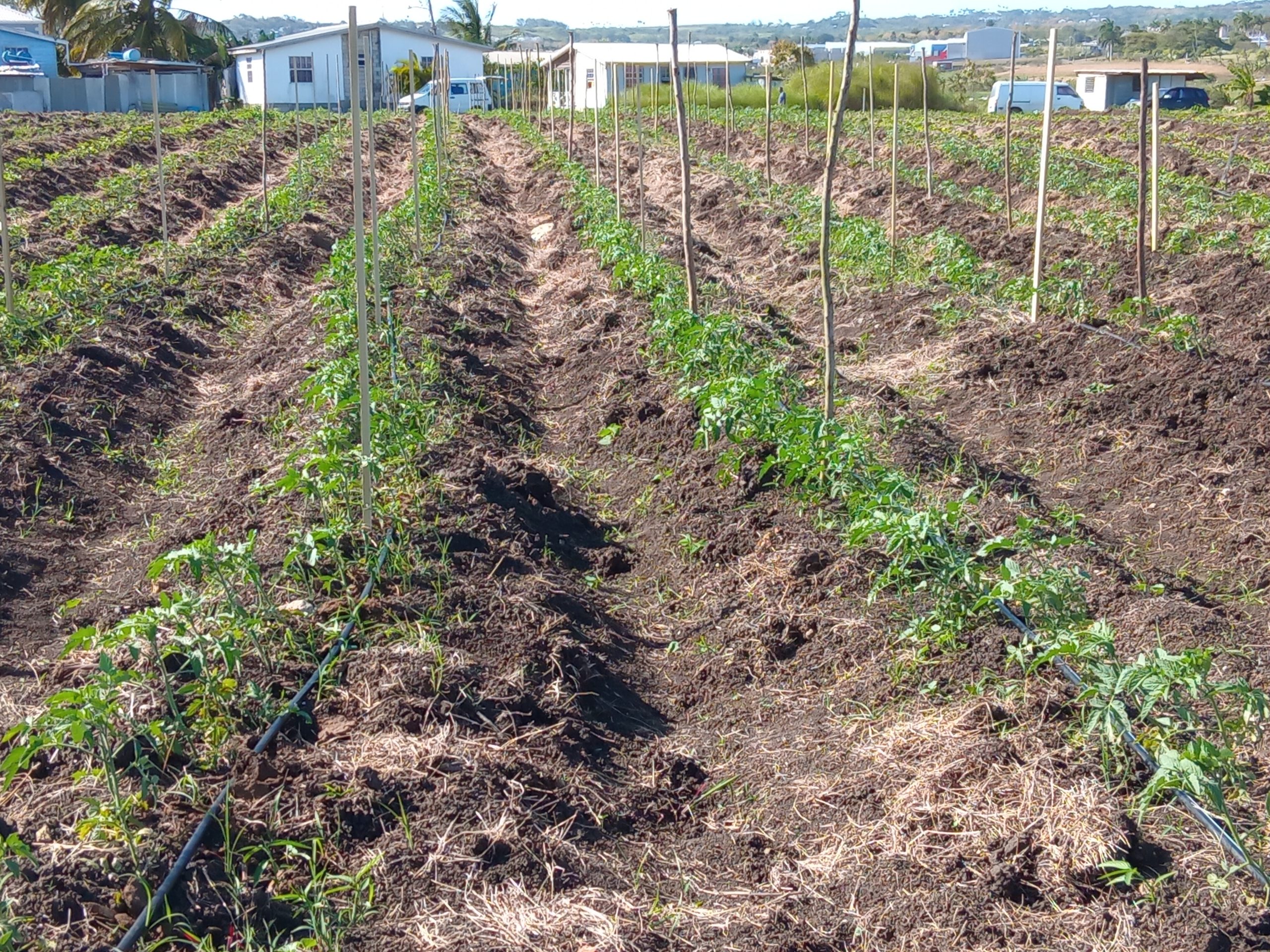
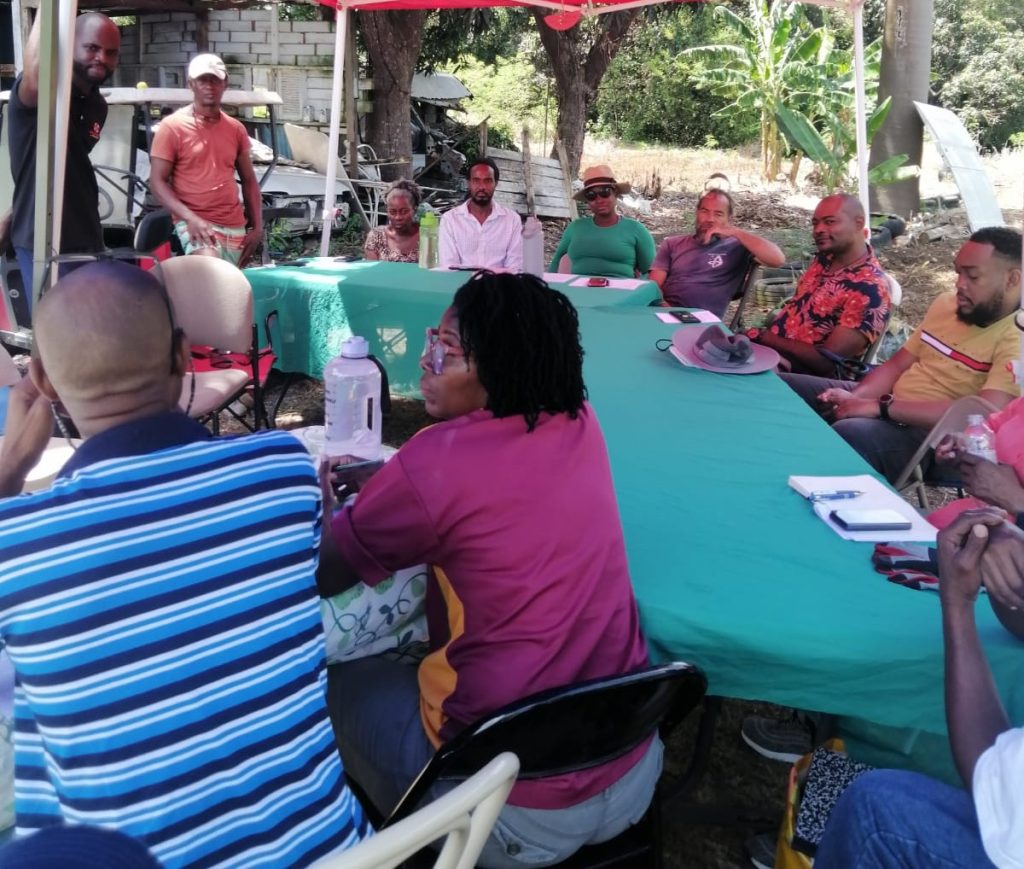
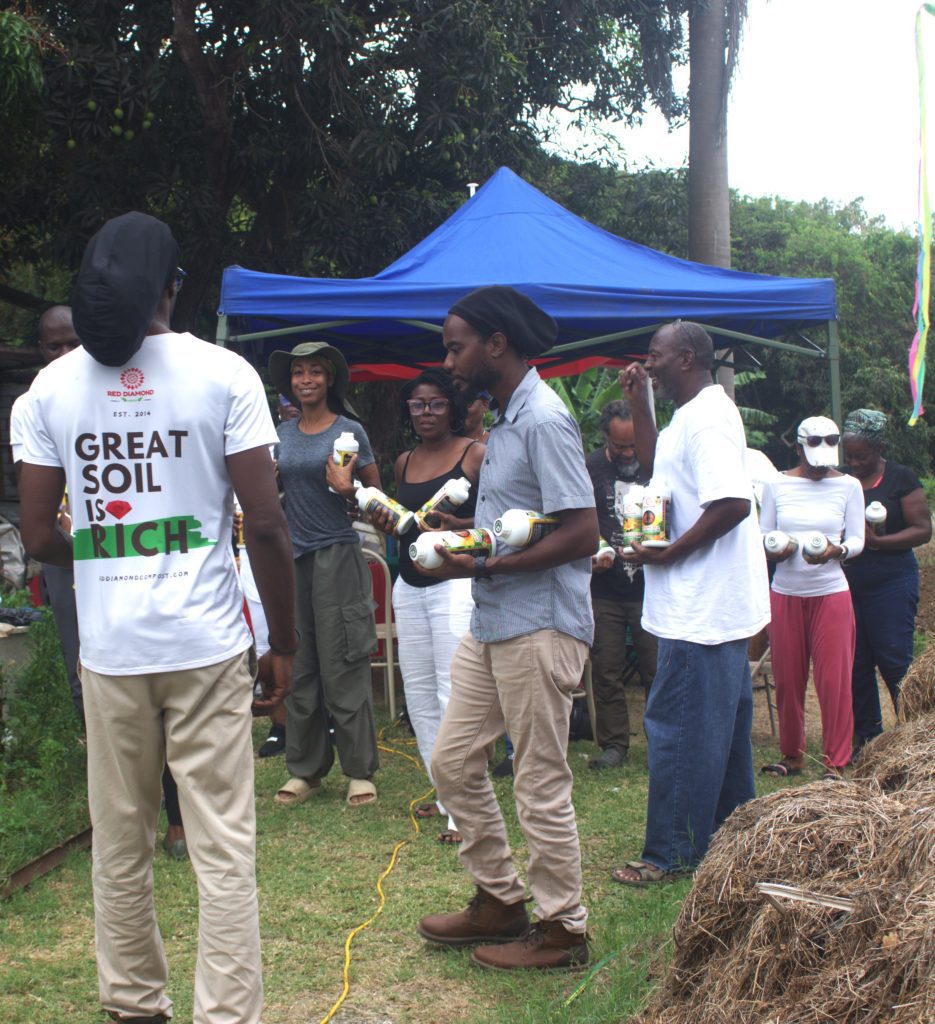
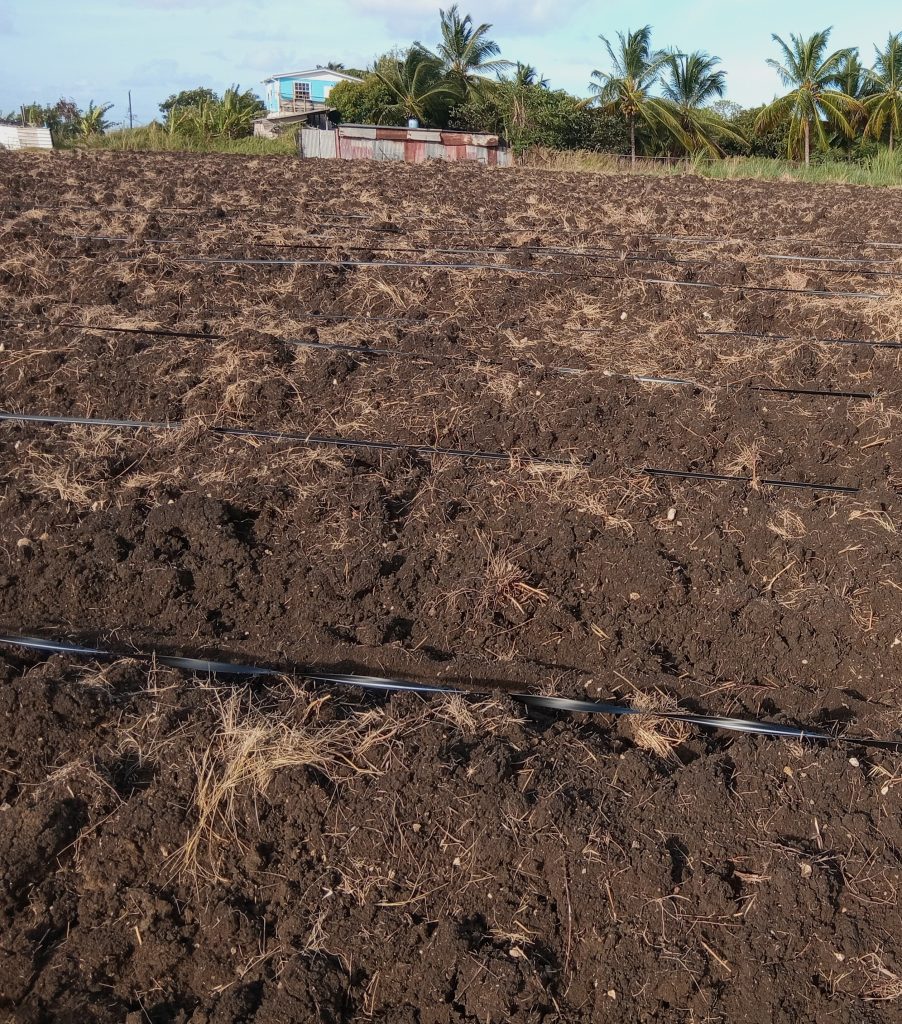
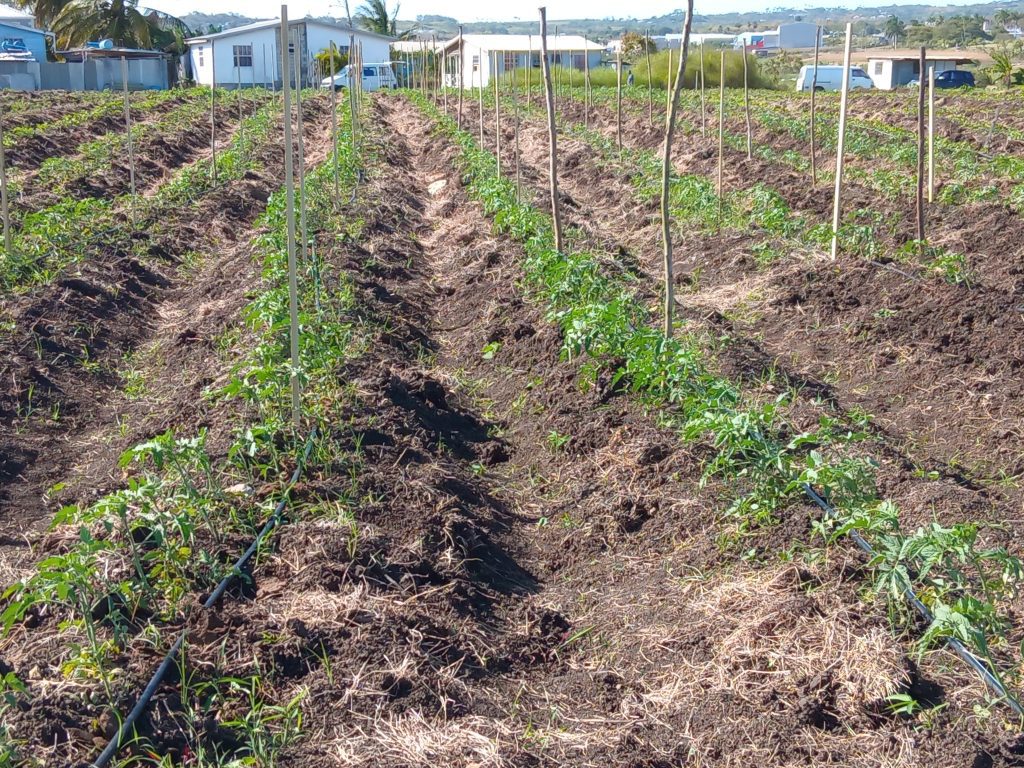
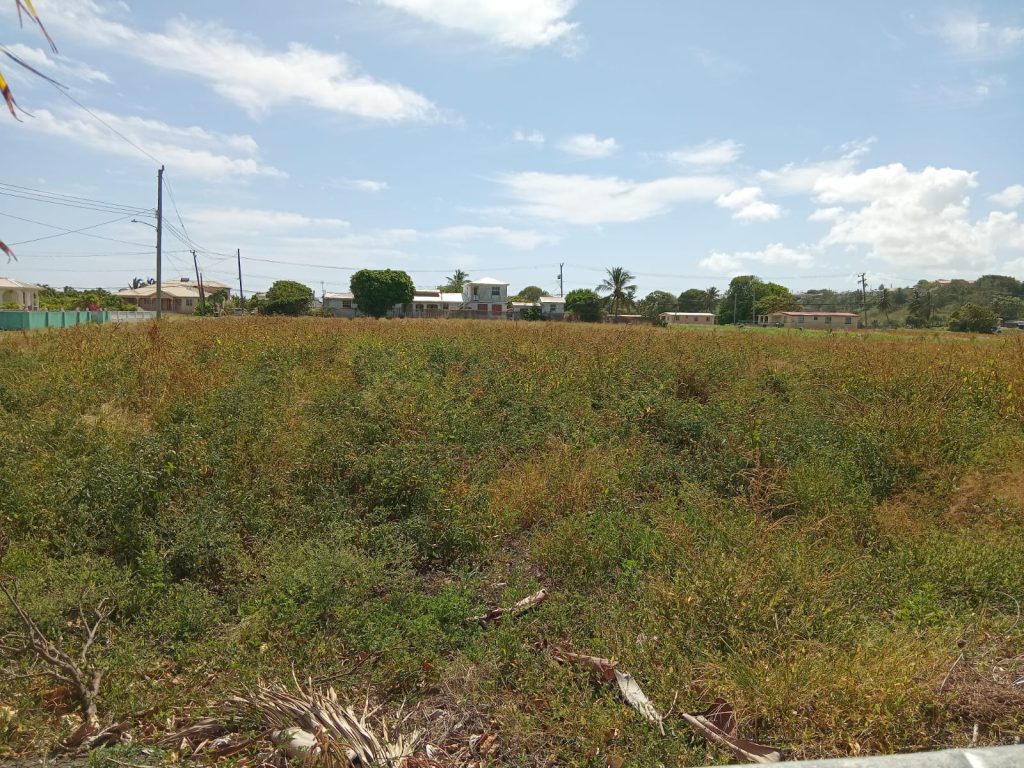
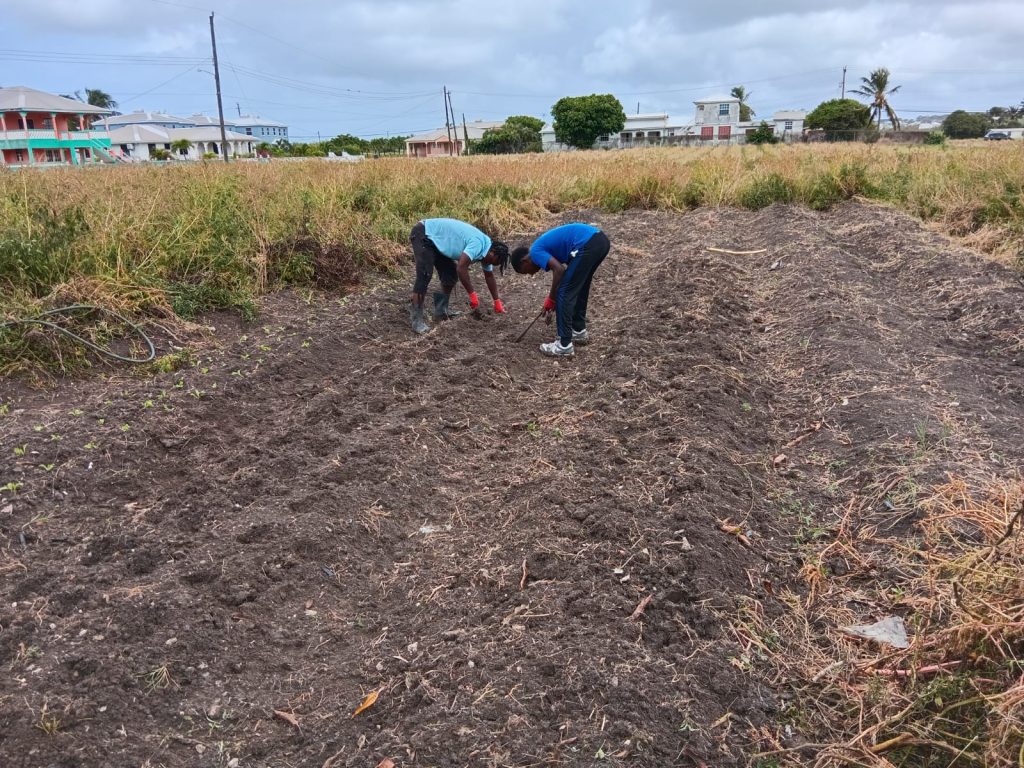
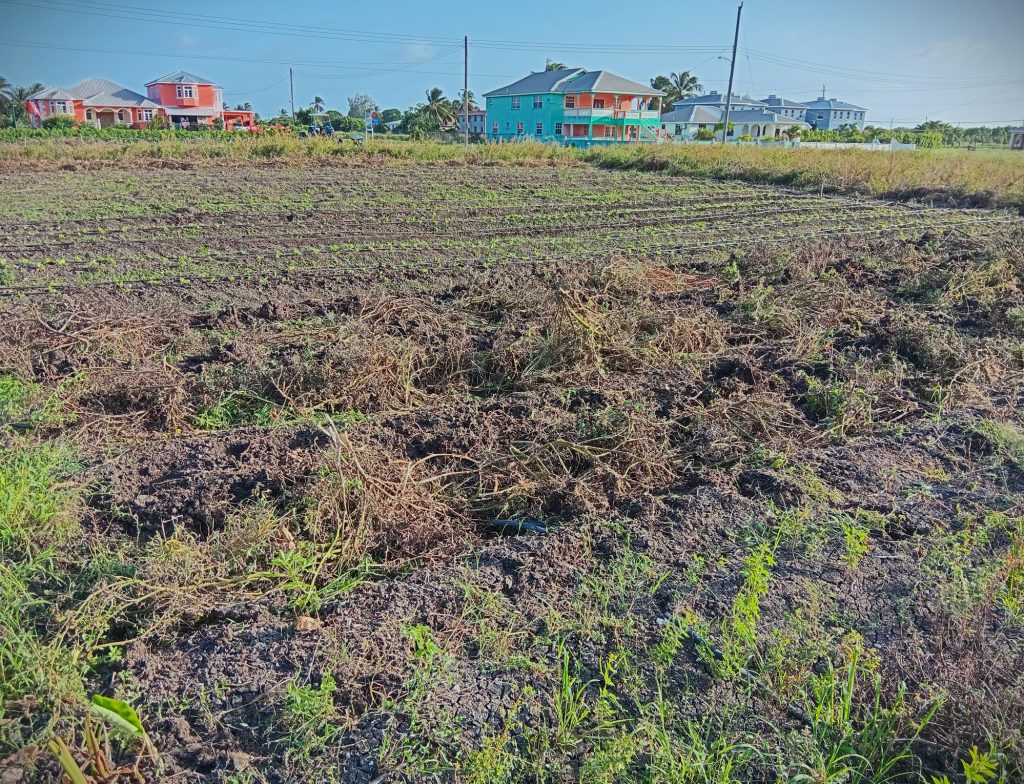
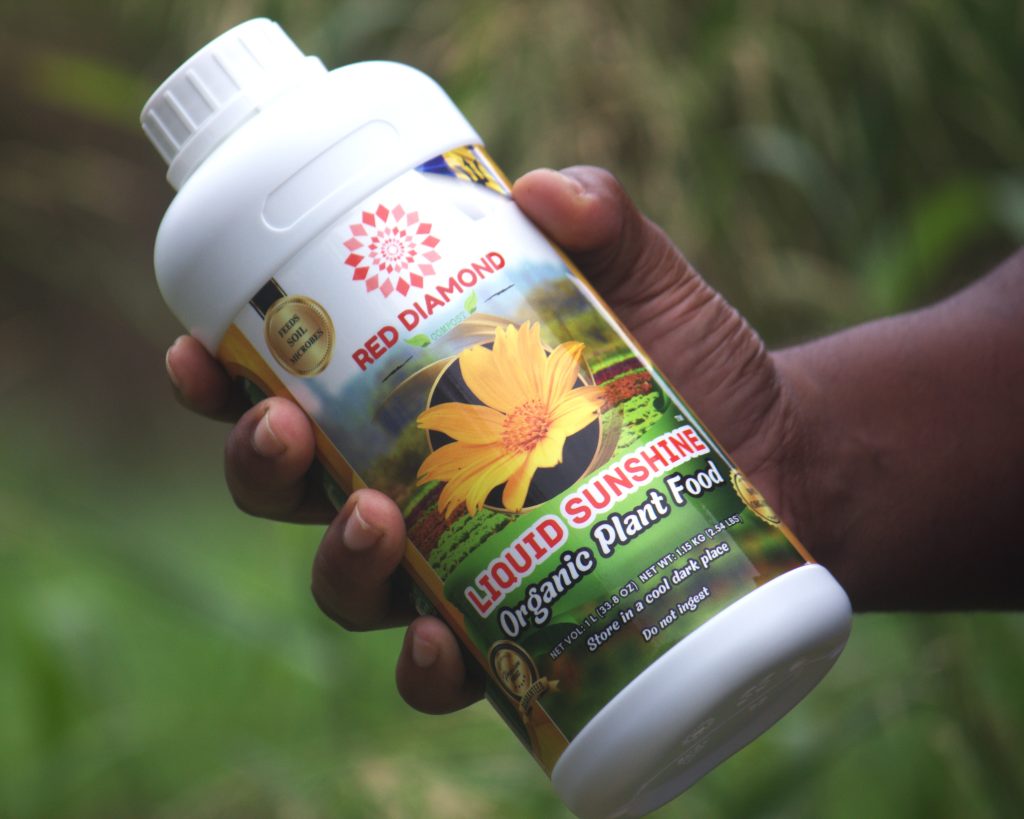
In Barbados, our we expanded this vision through a pilot farms and technical training with Journey to 1000 acres Project, implemented by our partners, Red Diamond compost Inc. We tested these processes on farms, Lears, St. Michael, Back yard farming at Station Hill, St. Michael and Harmony Hall Christ Church, and two separate farms at Gibbons Boggs, Chancery Lane, Christ Church.
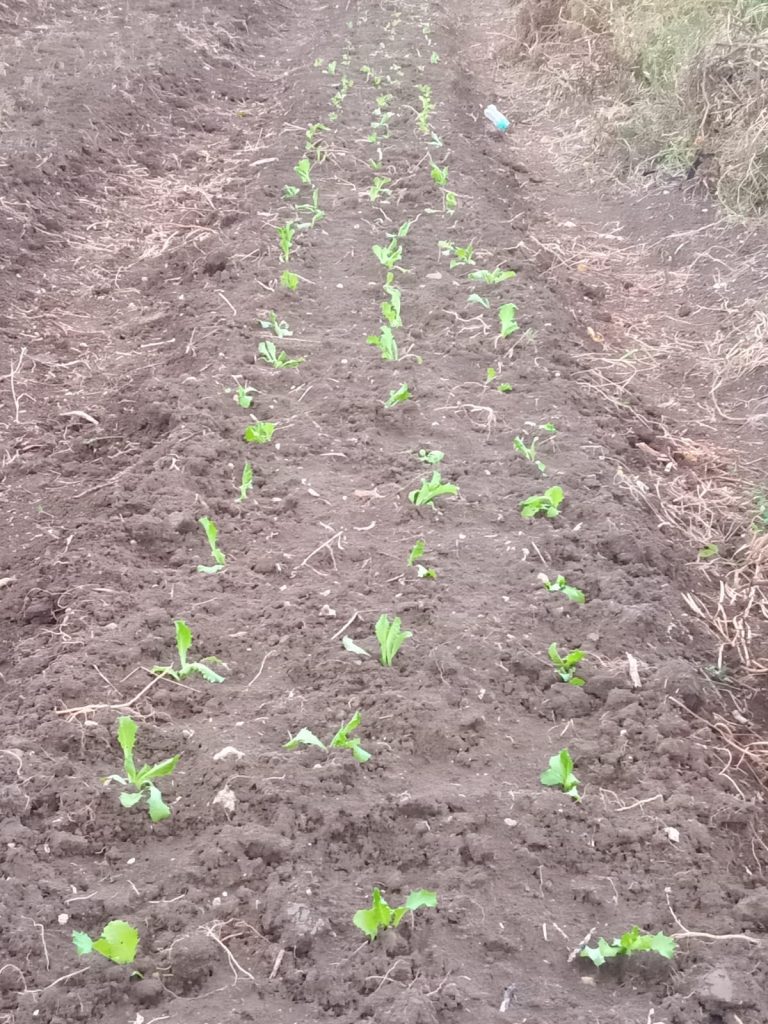
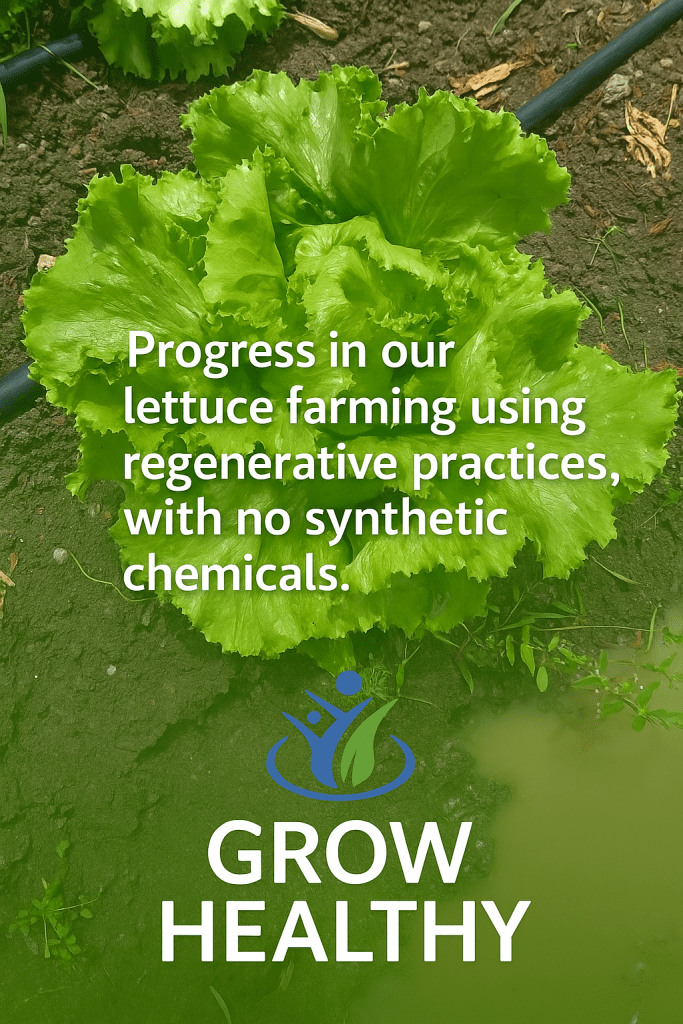
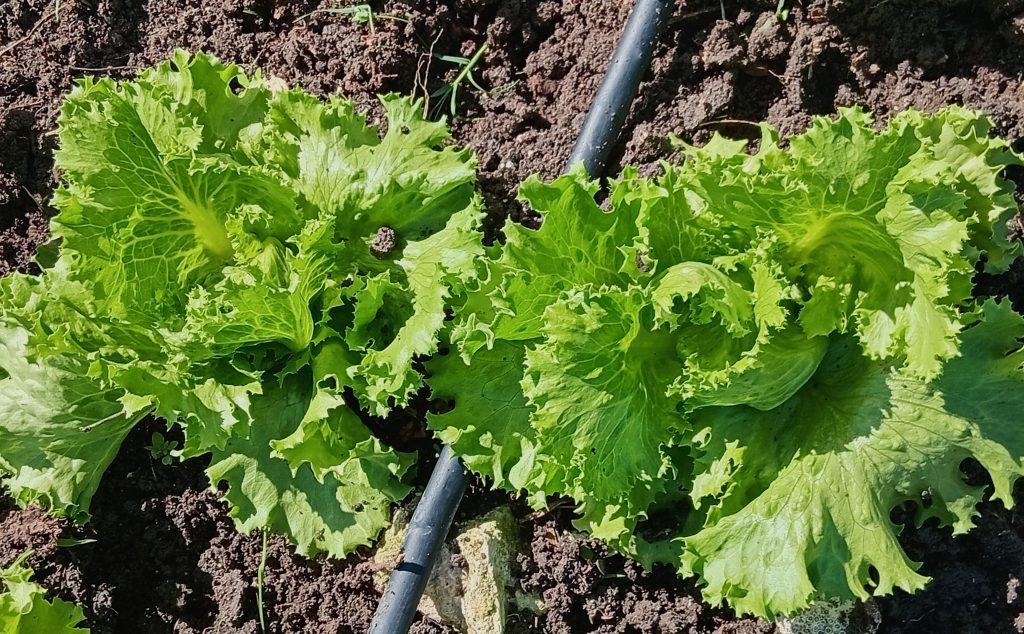
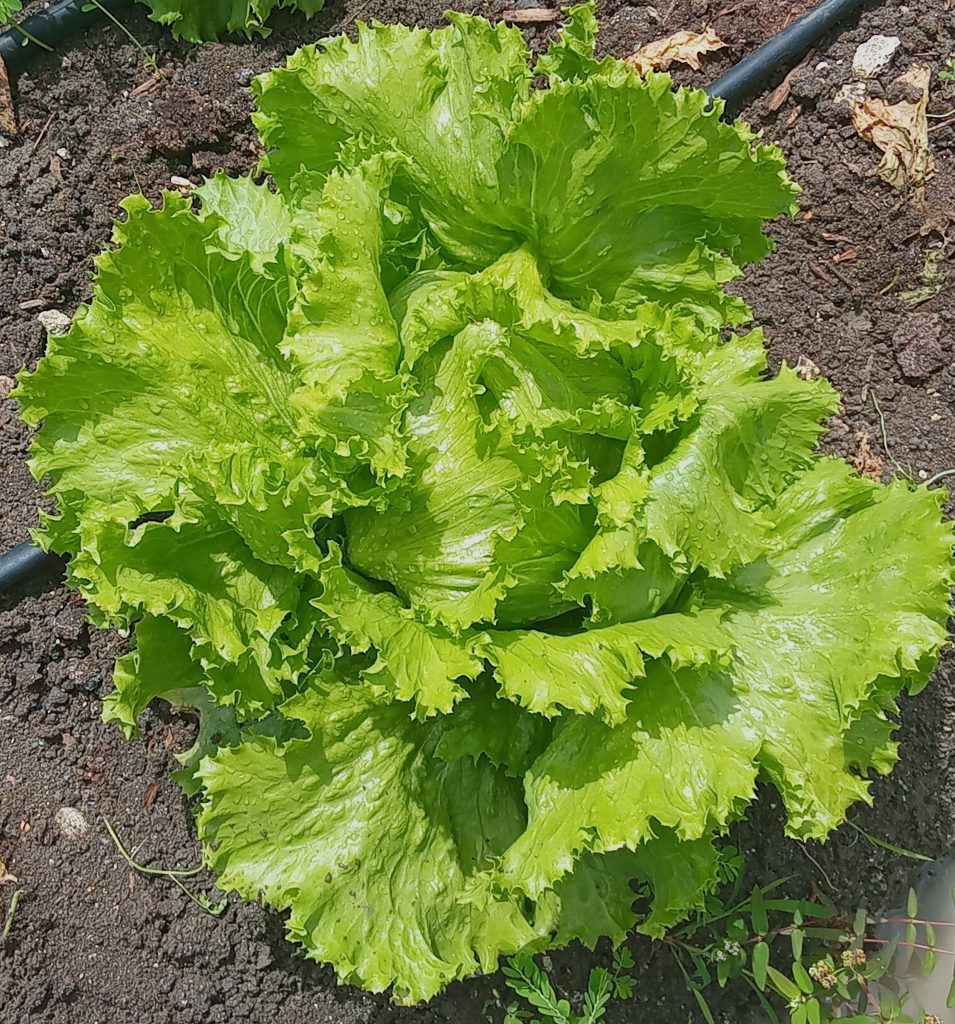
We have introduced mix crop and succession planting methods that combined lettuce, sweet potatoes, corn, sweet pepper, tomatoes, herbs, green peas, pumpkin, butter nut squash, specialty crops including herbs, tea, ginger, turmeric, broad leaf thyme, lemon grass and aloe vera. The lettuce provided quick nutrition and proof of concept. Sweet potatoes were introduced primarily for plant material propagation to prepare for larger-scale farming.
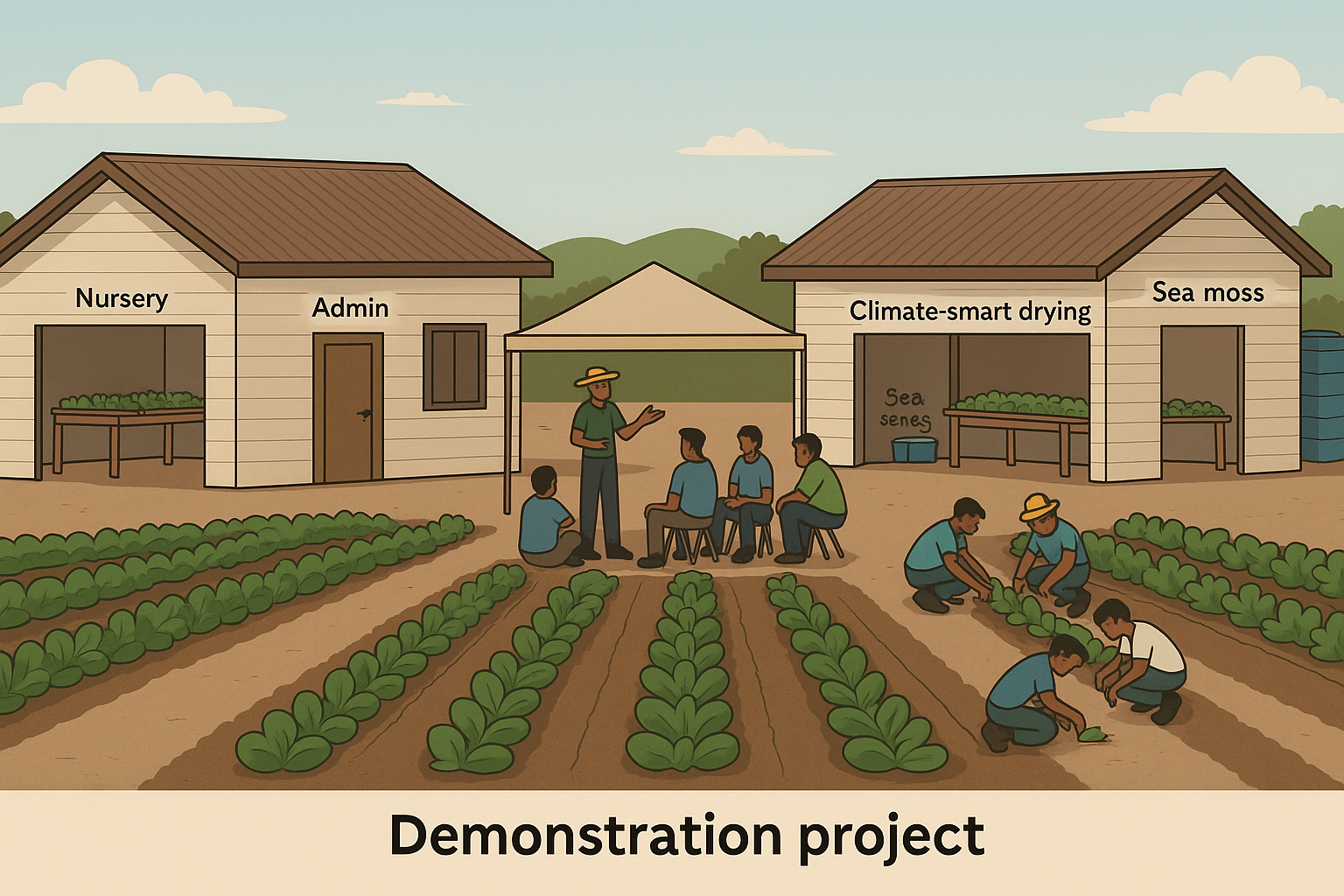
This pilot has now been officially completed, and we are preparing to scale into a commercial regenerative farming model that links directly with our aquaculture and sea moss programs.
? Partnerships & Gratitude
Together We Achieve More
No farm, and no farmer, can thrive alone. In the Caribbean, where resources are scarce and challenges are plenty, it is the network of people who stand with you that makes the difference between failure and growth. Our regenerative farming journey has been strengthened by the hands, wisdom, and support of many.
We are deeply grateful to Cynthia “Famo” Matthews and Mr. Everet & Mrs. Andrea Best of St. Vincent and the Grenadines, whose generosity and practical support gave us the foundation to begin. To Lennox Lampkin, a mentor in SVG who inspired this journey, shared knowledge and encouragement along the way. To Joshua Forte of Red Diamond Compost Inc. in Barbados, and his team behind the Journey to 1000 Acres Project, whose pioneering work in soil regeneration has guided our methods. Dr. Marcia Brandon, Rev. Ann Hamilton-Cutting, and Egbert Maloney Caribbean Fruit and Vegetable Inc., for their tangible support, training, land access, and belief in sourcing and purchasing from sustainable farmers.
Most importantly, to the core team that walked this road almost daily: Natalie Chambers, my steadfast partner in the operations management; my daughter, Shakera Lorde, who reminds us why this work is about the future; and my mother, Evelyn Douce, who loaned me the cash for our first land lease, a failed, sabotaged attempt, but a vital step forward. Gratitude is not about perfection in relationships, it is about acknowledging the role each person plays in lifting us higher.
Together, these partnerships prove that building food security in the Caribbean requires an ecosystem of trust, reciprocity, and shared vision, CoESL – (Complimentary Capital Model). No single individual or organization can achieve it alone. But when hands, hearts, and knowledge come together, even the toughest soil can bear fruit.
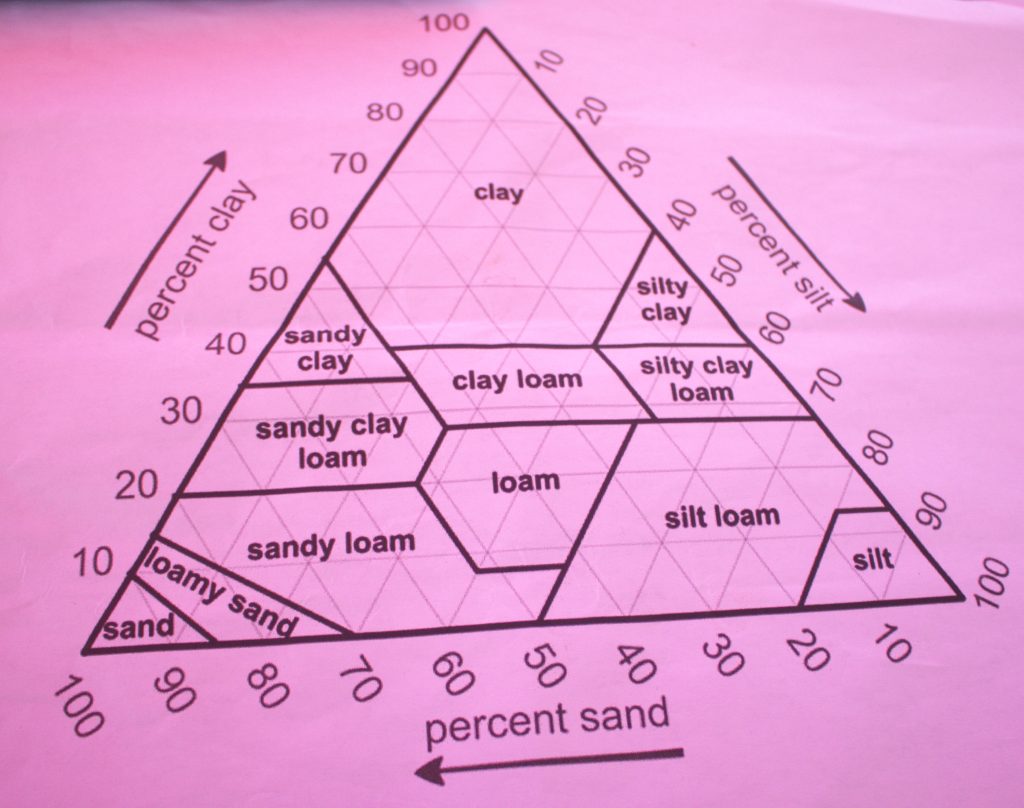
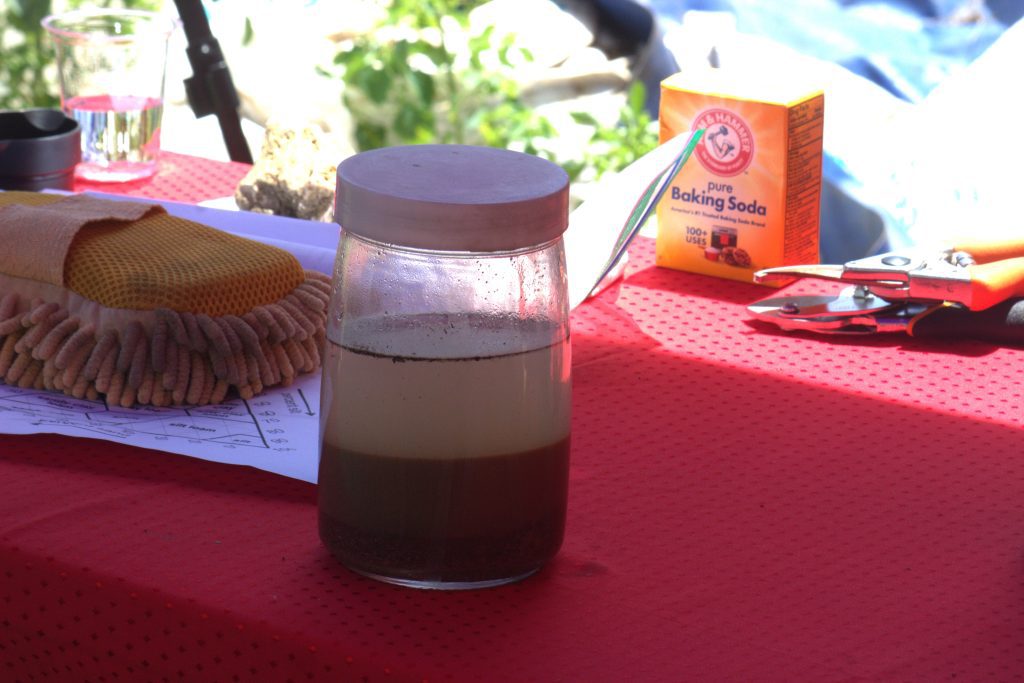
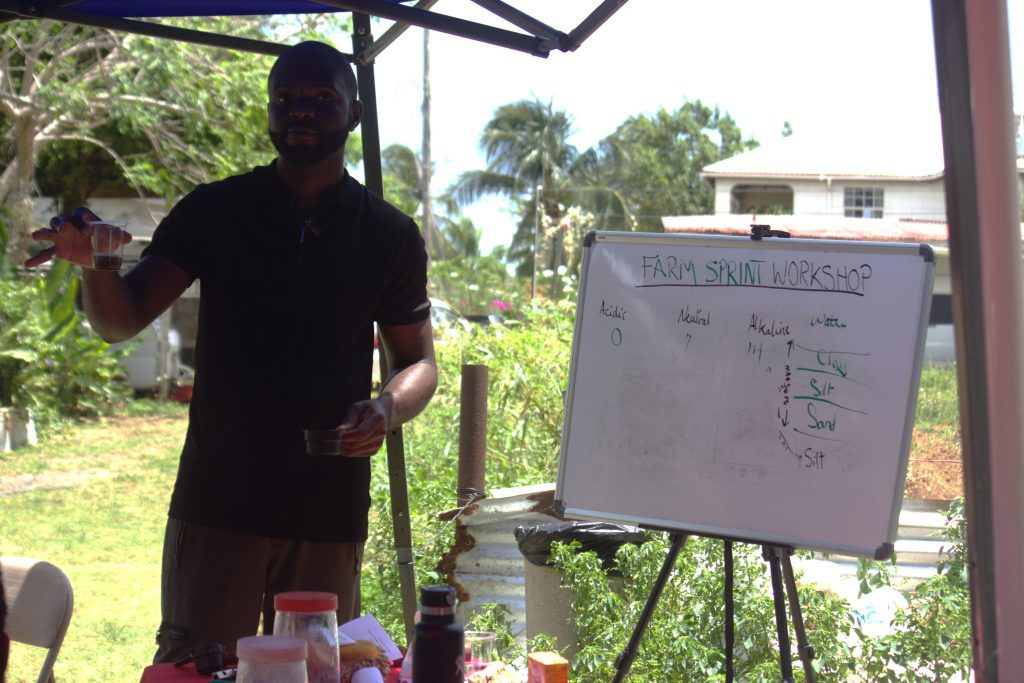
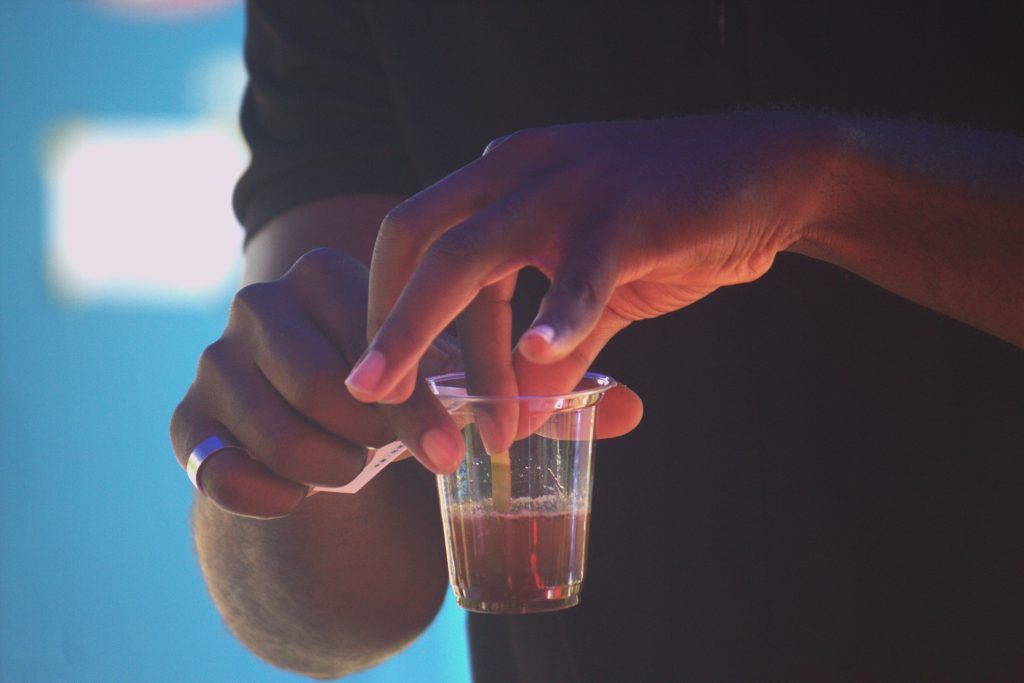
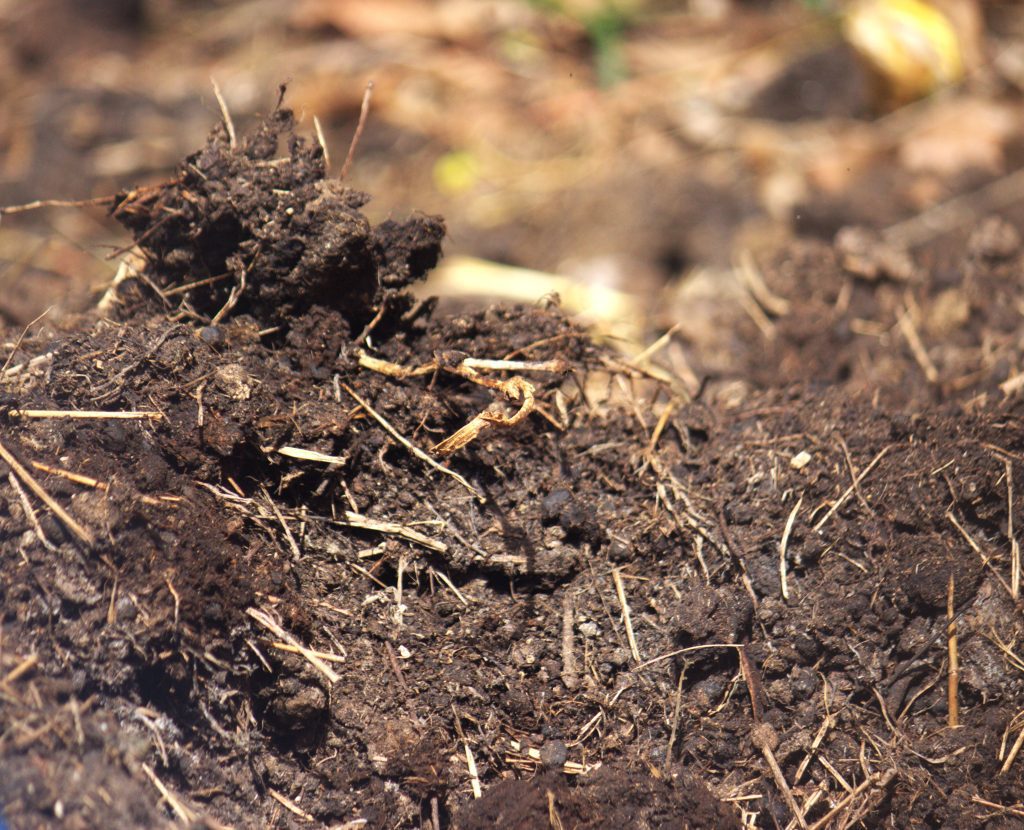
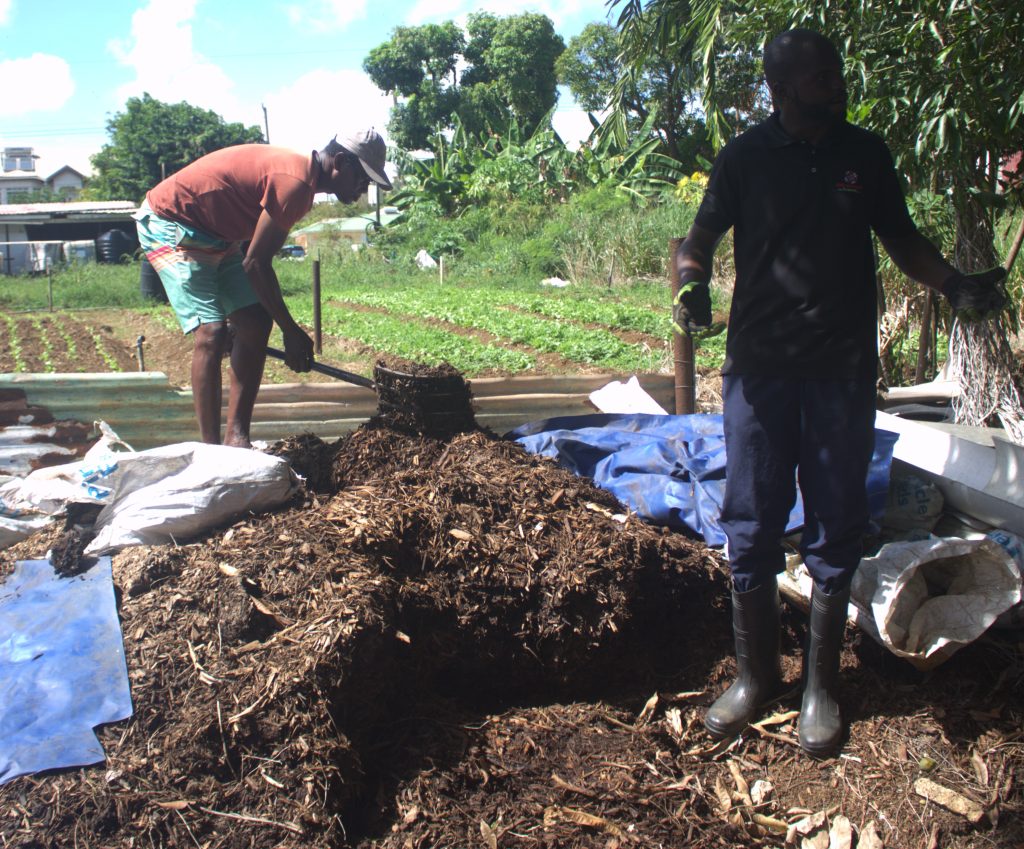
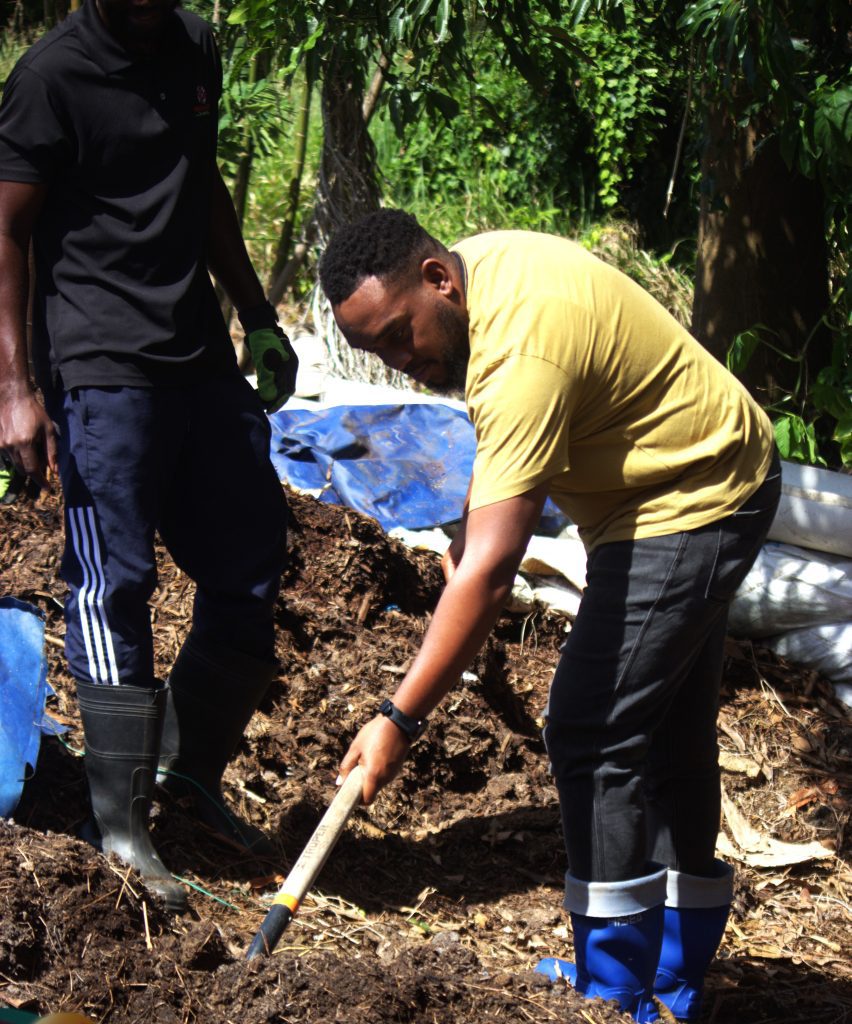
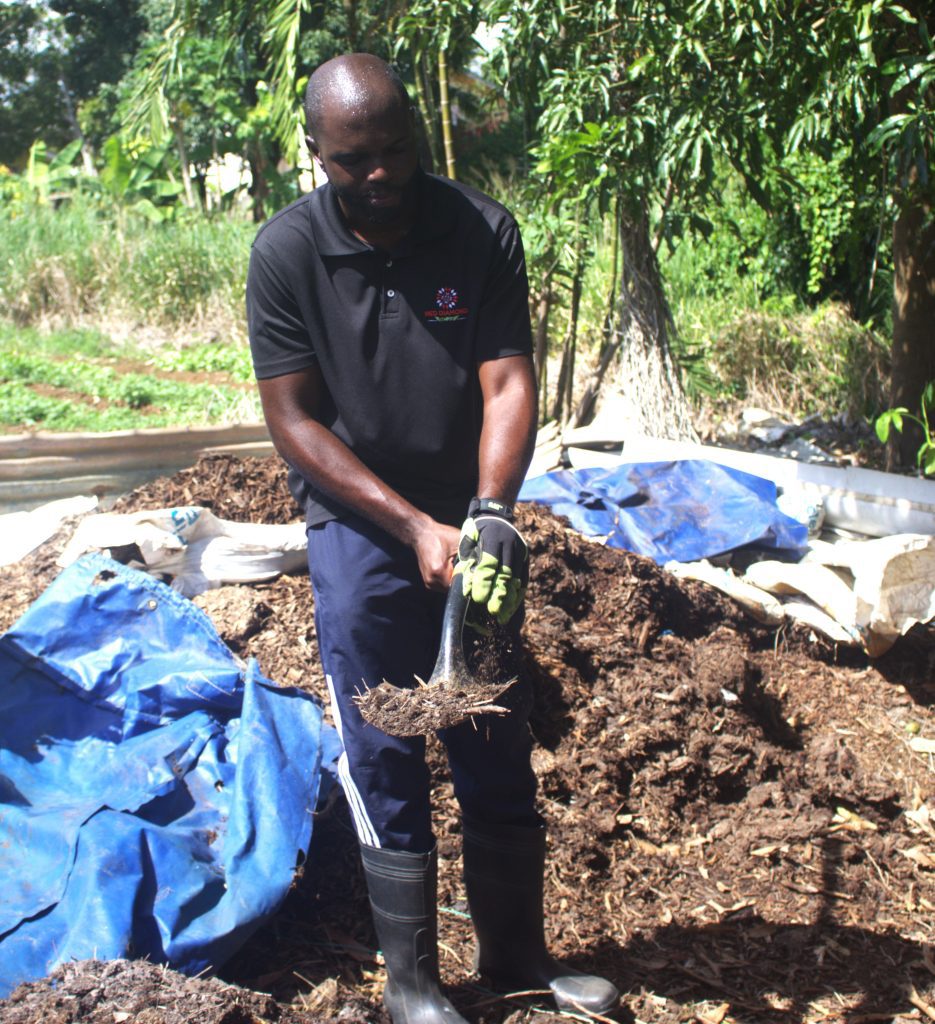
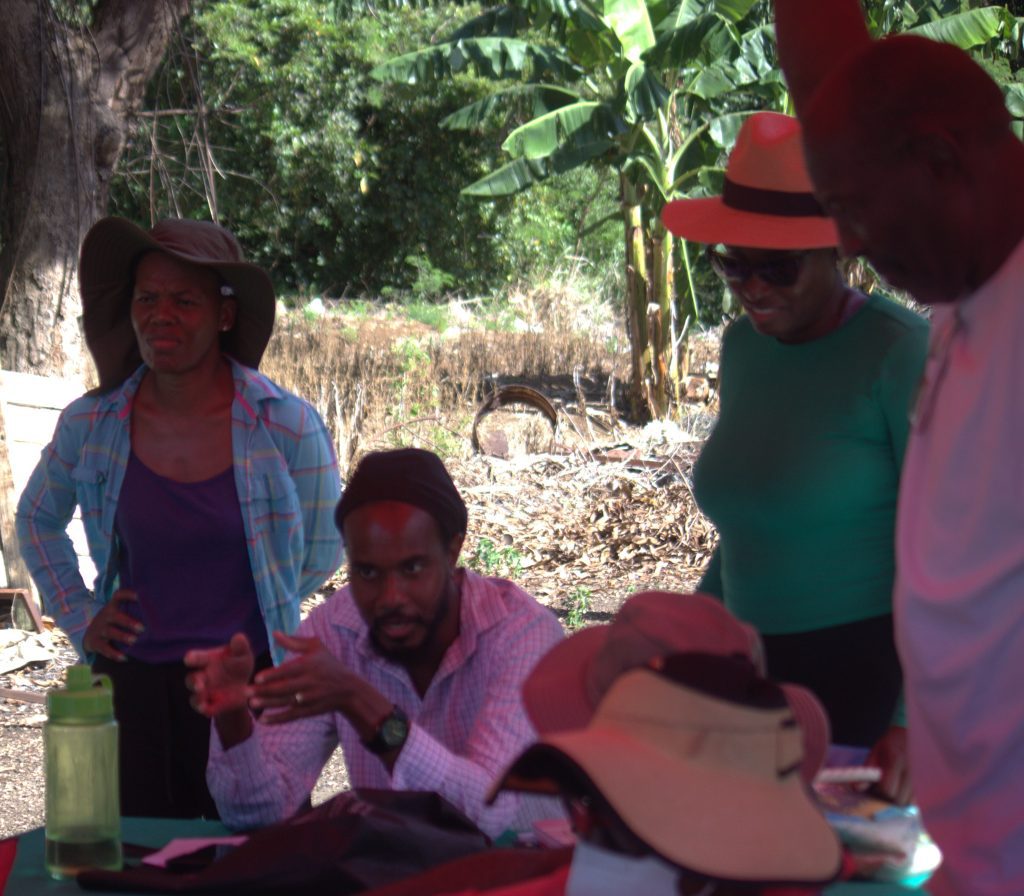
2025 Red Diamond Compost Inc. - Journey to 1000 miles Farm Sprint Workshop
? Moving Forward: Our Vision
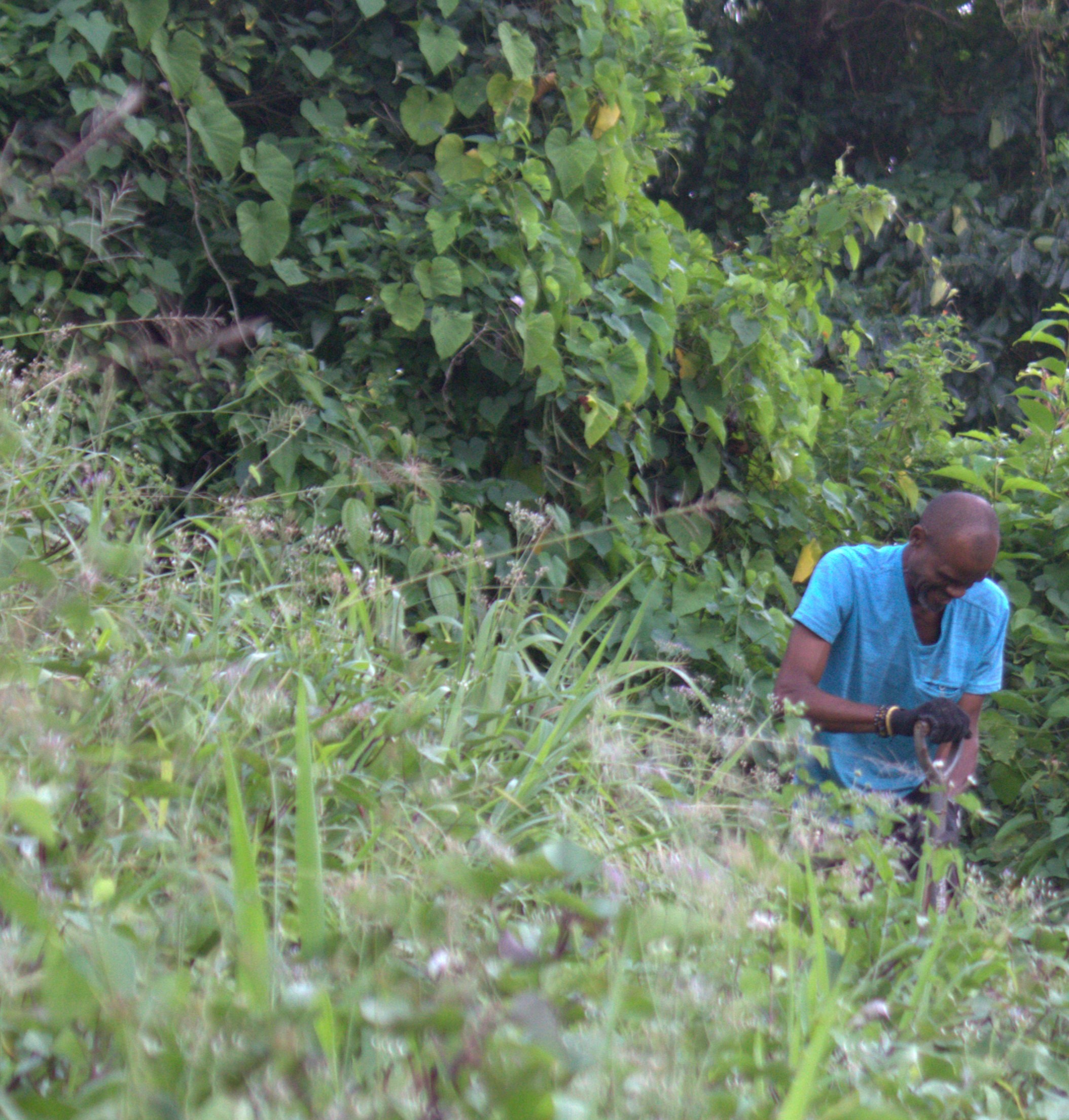
The pilot phase of our regenerative farm has ended, but the journey is only just beginning. What started as a small family driven initiative, clearing land by hand, planting with organic inputs, and sharing harvests with our community, has grown into a clear vision for a commercial, scalable model of sustainable farming in the Caribbean.
Our goal is to demonstrate that farming done the right way, with no synthetic chemicals, healthy living soils, and respect for ecosystems, can feed families, create jobs, and inspire new generations to see agriculture not as a last resort, but as a dignified and innovative career path.
As we transition to the commercial stage, our focus is simple:
-
Expand production of fresh, chemical-free vegetables and root crops.
-
Integrate small livestock and compost systems for a fully closed-loop model.
-
Train youth and community members to see farming as both a livelihood and a legacy.
-
Prove that regenerative agriculture is not a theory, it is a working solution to the Caribbean’s food security crisis.
"We are at that moment in time when it is up to us to stand up to the challenge … While we await global initiatives, we must take pre-emptive action to protect our people."
Prime Minister Mia Amor Mottley during remarks on food security and climate resilience
Our vision is bold but rooted in practice. We believe this pilot has laid the foundation for an agricultural future where Caribbean lands are not idle, but thriving; where farming is not survival, but prosperity; and where food is not imported dependency, but local abundance.
"Food and nutrition security are vital pillars for the agricultural sector and are key to maintaining the health and well-being of our communities, particularly among the most vulnerable."
Mr. L. O’Reilly Lewis, CDB’s Director of Projects, on the launch of the EU-CDB Regional Food Security Programme
Together with our partners, we step into this next phase with resilience, gratitude, and determination, ready to build a farming model that feeds not only households, but hope itself.